Ski bibs for women have dramatically evolved over the past decade, yielding more stellar options than ever. Drop seat? Nearly ubiquitous. Integrated insulation? Check. Generous, smart pocket layouts? Plentiful. Plus and extended sizing, and varied inseams? Designers have tackled those, too.
Over our most recent 4-month test window, on-snow expert Heather Balogh Rochfort and SnowSports Senior Editor Morgan Tilton put nine top-rated women’s ski bibs to the test across Colorado, British Columbia, and Italy.
Premium builds like The North Face Summit Series Verbier offer exceptional storage along durable, windproof protection. Meanwhile, wallet-friendly choices like The North Face Freedom deliver reliable waterproofing perfect for resort days.
Editor’s Note: We updated our Ski Bibs for Women buyer’s guide on September 1, 2026, with the OYUKI Nimi NetPlus, Flylow Foxy Bib, The North Face Freedom Insulated, The North Face Freedom, REI Co-op Powderbound Insulated, and Stio Skyrider.
The Best Women’s Ski Bibs of 2026


The North Face Summit Series Women’s Verbier GORE-TEX Bibs

Specifications
Pros & Cons
Pros
- Made with GORE-TEX ePE membrane that's free of PFAS
- Drop Seat
- Excellent pocket design with plenty of spots to stash
Cons
- Inseam feels a tad short
- No garage option for suspender strap
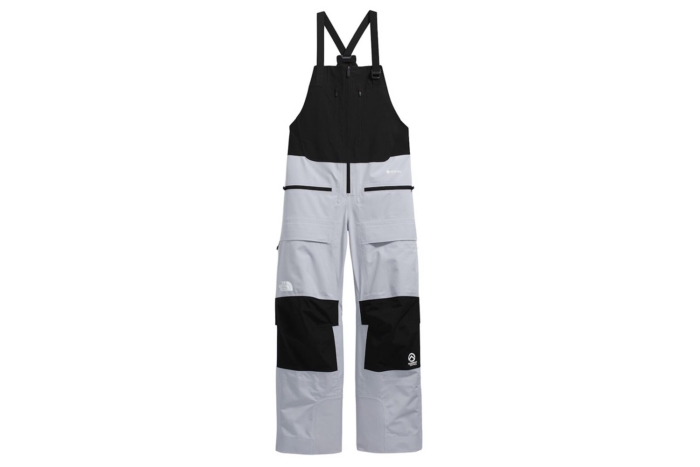
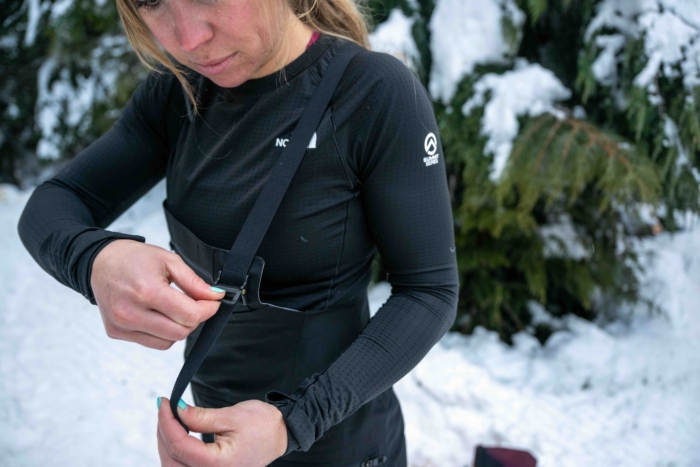
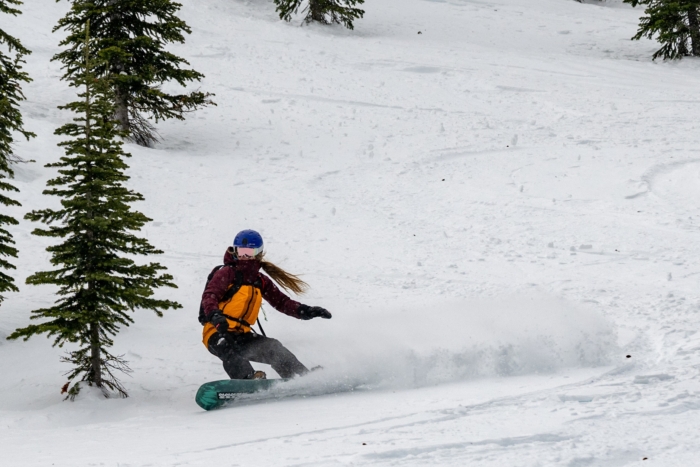
While base camping and cat skiing for two back-to-back days at Baldface Valhalla in British Columbia’s Selkirk Mountains, it was apparent that The North Face Summit Series Verbier GORE-TEX ($600) are fully decked out to block the elements. Despite temps hovering at 10 degrees plus windchill with blasts of snow, these bibs stayed totally dry and never wetted out — even after spending the night in an expedition tent. In the BC backcountry, SnowSports Senior Editor Morgan Tilton ventured with the Verbier for nearly 12 hours, 33 miles, and 12,300 vertical drops before riding two frigid days at Whitewater Ski Resort and RED Mountain Ski Resort.
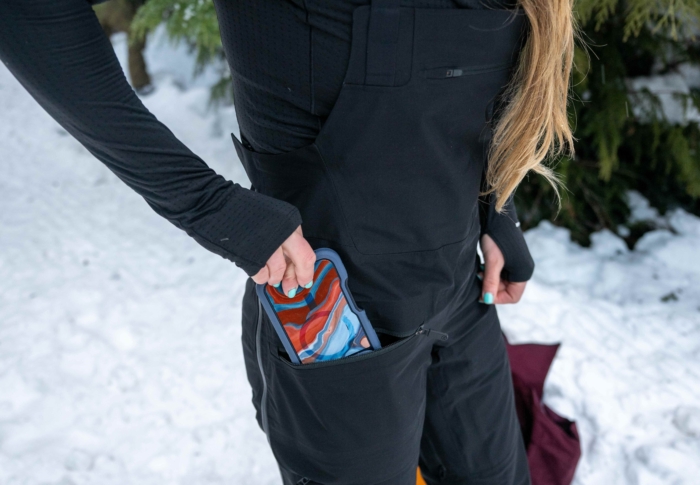
One of the standout details of this bib is its thoughtfully designed pocket layout. Inside the upper bib is a unique kangaroo pocket: The drop-in mesh pocket perfect for stashing gloves or a neck gaiter. Outside, a deep, wide zippered chest pocket spans the torso for additional storage. Two fleece-lined, top-entry hand pockets offer warmth and easy access. Below those, dual thigh pockets feature flap-covered zippers and are spacious enough to hold a large phone or other tools. Because they’re positioned lower on the leg, the contents don’t dig into the hips when bending over to adjust bindings. Inside the chest pocket and one of the thigh pockets is a mesh security pouch with a gear clip. The second thigh pocket includes an elastic strap and a fixed loop to secure a radio.
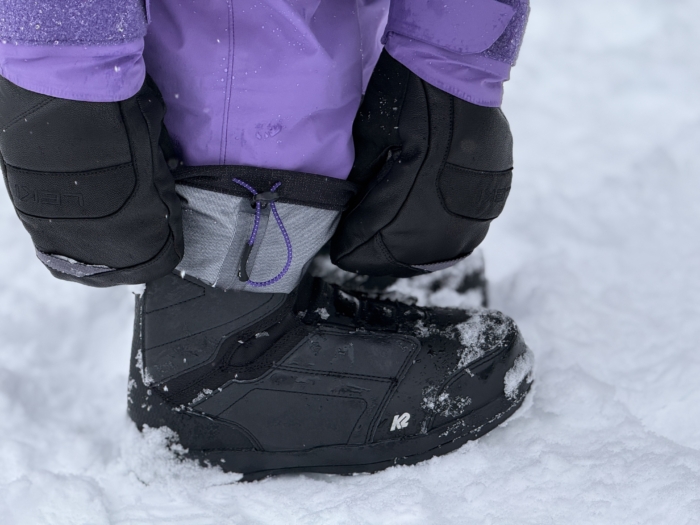
The pant legs easily slip over our boots — even snowboard boots with a double BOA system — thanks to an adaptable design. A side zip plus three side-by-side snaps allow you to open the gusseted cuffs and choose between several circumferences. Large 500-denier interior kick patches help protect the pant leg from getting chomped up. Two inches of that same stout material reinforce the entire lower hem. When duty calls, a 20-inch long side zipper enables drop seat action, so we can easily go to the bathroom without pulling off these bibs.
TNF uses the ePE GORE-TEX membrane, which eliminates human-made forever chemicals from leaching into the environment (and, eventually, making their way to humans through ingestion). In our experience, the new technology performed at the same top-notch tier as traditional PFAS-loaded textiles. Plus, the density and tenacity weren’t compromised. The Verbier certainly felt waterproof, windproof, and breathable. If anything, the fabric feels a tad on the heavy side for ski touring, and the interior leg vents are relatively short. If you’re an endurance gal and break a sweat, consider a leaner bib with more ventilation like the Patagonia SnowDrifter Bibs or a highly breathable design like the Ortovox 3L Deep Shell Bib.
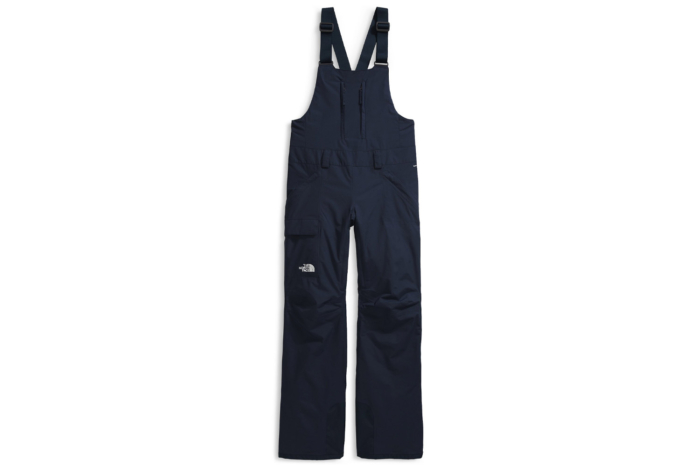
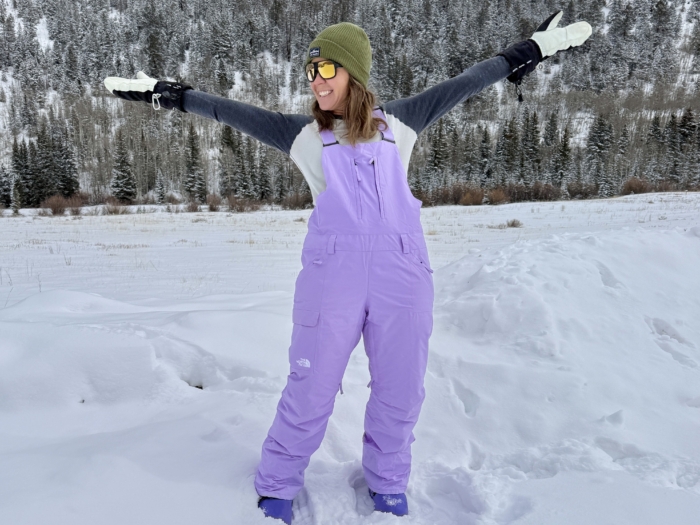
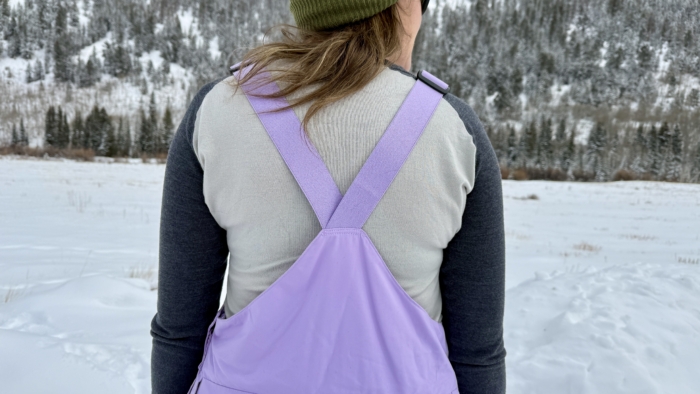
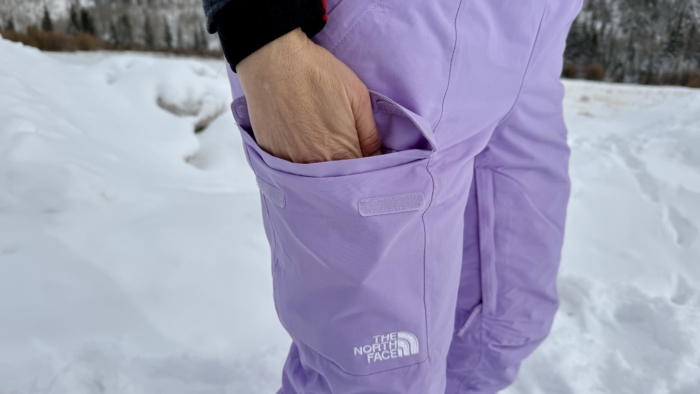
The North Face Freedom Insulated Bibs
Specifications
Pros & Cons
Pros
- Recycled insulation keeps you cozy on brisk resort days
- Ample pockets offer plenty of secure storage
- Affordable price when compared to most competitors
- Inclusive size range with multiple inseam lengths
Cons
- Questionable breathability on warm, sunny days
- Funky sizing
The North Face Freedom Insulated Bibs ($250) are a solid pick for skiers who care more about staying warm than chasing premium tech. Built for resort days and cold conditions, these bibs deliver reliable insulation at a price that’s reasonable in today’s ski gear market.
GearJunkie contributor Heather Balogh Rochfort tested them over multiple resort days at Aspen Snowmass. Conditions ranged from warm, bluebird afternoons to a genuinely cold day with temperatures hovering around 11–12 degrees Fahrenheit. Warmth is where these bibs shine. The 60-gram Heatseeker synthetic insulation (made largely from recycled materials) paired with the bib-style coverage does a top-shelf job blocking wind and sealing in heat, especially on frigid chairlift rides.
But that warmth comes with a tradeoff. The 2-layer DRYVENT fabric keeps costs down but doesn’t breathe as well as higher-end, 3-layer membranes. On warm, sunny days, Balogh Rochfort overheated quickly, even with vents open. Fit can also be a bit tricky depending on body type. Also: some nice-to-have features like a longer drop seat or chest zipper are missing.
Still, those tradeoffs are exactly what make the Freedom Insulated Bibs such a strong value. For beginners, occasional skiers, or anyone who wants a warm, comfortable bib without spending a small fortune, these are a practical, good-looking choice for cold resort days.
Oyuki Nimi NetPlus
-

-
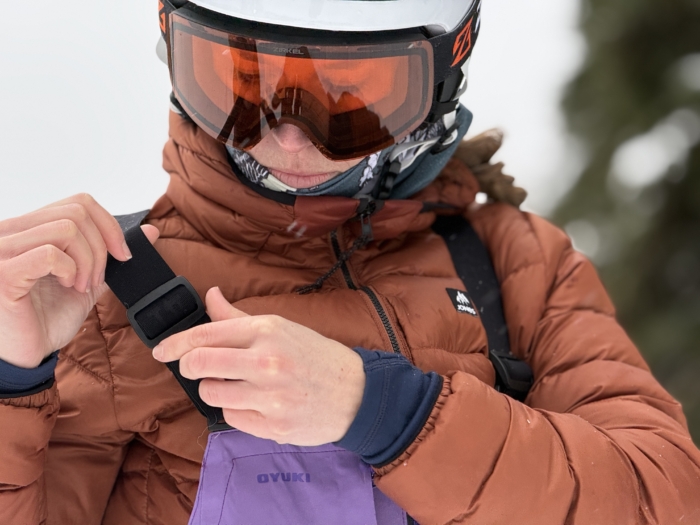
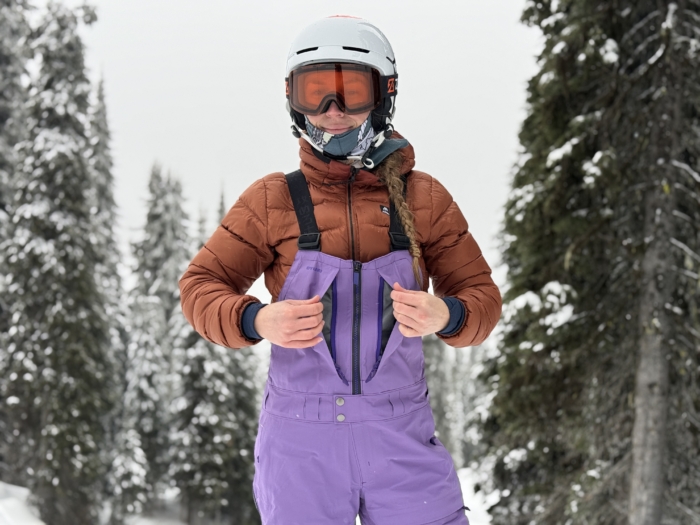
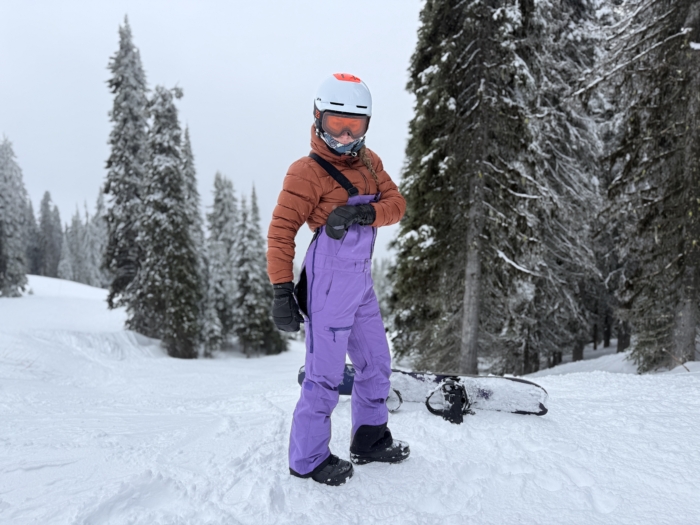
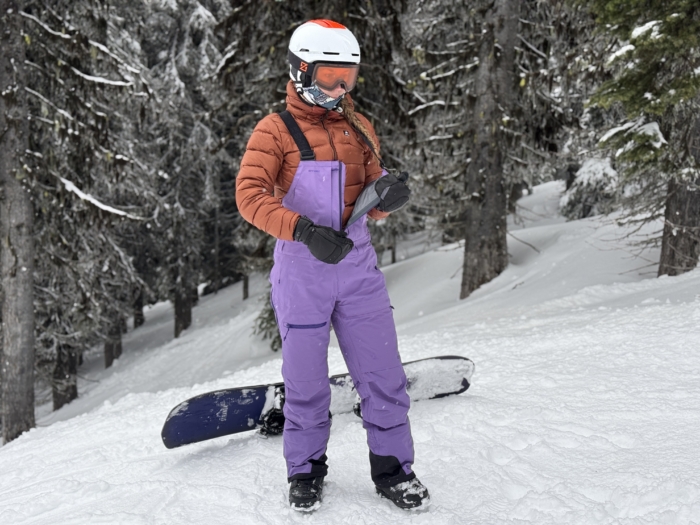
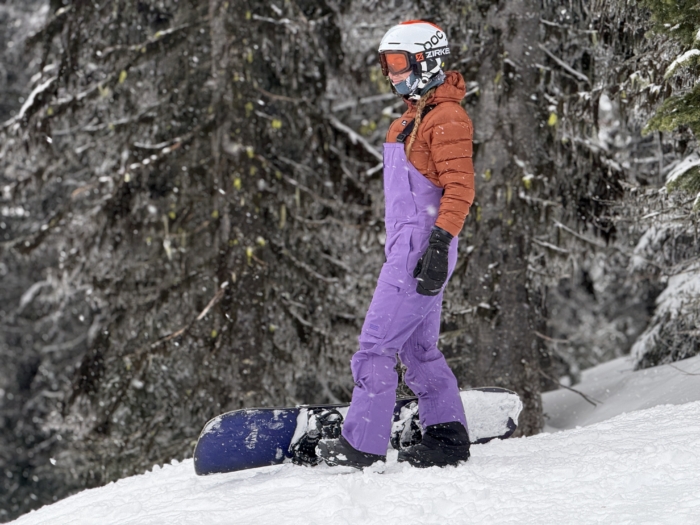
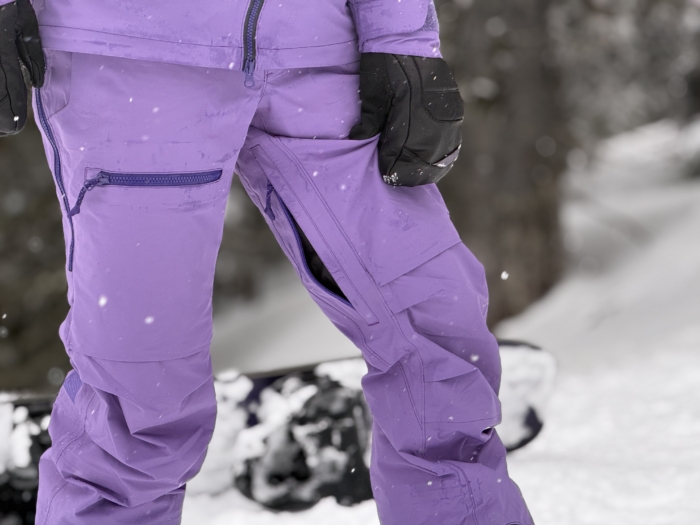
Morgan Tilton testing the Oyuki Nimi NetPlus women's ski bibs at RED Mountain Ski Resort; (photo/Dane Tudor)
-
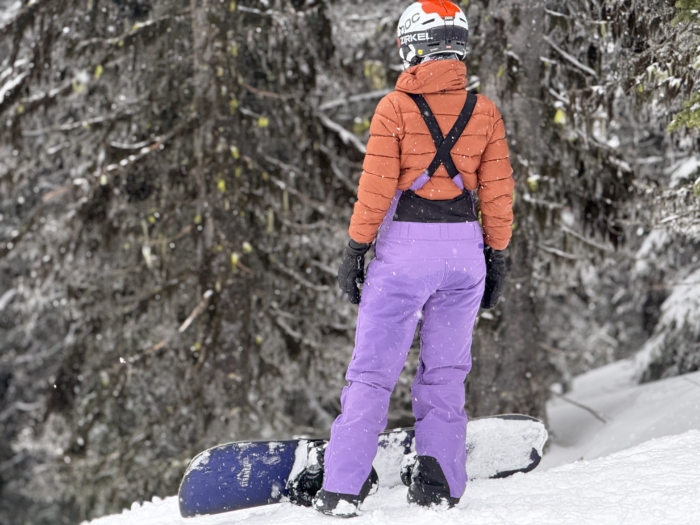
Morgan Tilton testing the Oyuki Nimi NetPlus women's ski bibs at RED Mountain Ski Resort; (photo/Dane Tudor)
-
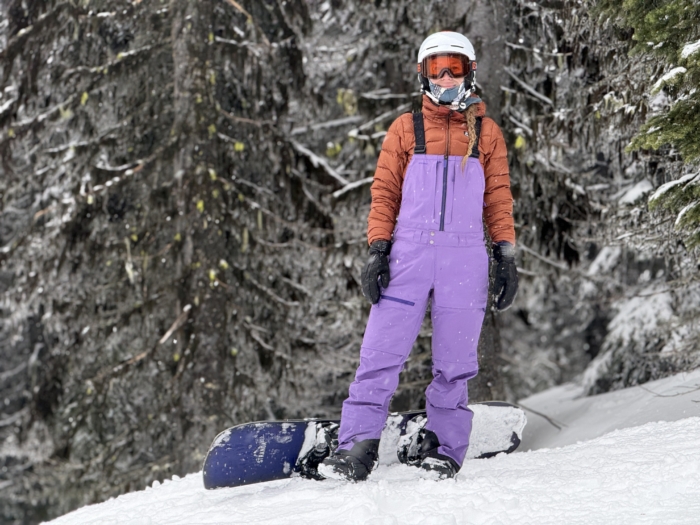
Morgan Tilton testing the Oyuki Nimi NetPlus women's ski bibs at RED Mountain Ski Resort; (photo/Dane Tudor)
-
Morgan Tilton testing the Oyuki Nimi NetPlus women's ski bibs at RED Mountain Ski Resort; (photo/Dane Tudor)
-
Morgan Tilton testing the Oyuki Nimi NetPlus women's ski bibs at RED Mountain Ski Resort; (photo/Dane Tudor)
-
Morgan Tilton testing the Oyuki Nimi NetPlus women's ski bibs at RED Mountain Ski Resort; (photo/Dane Tudor)
-
Morgan Tilton testing the Oyuki Nimi NetPlus women's ski bibs at RED Mountain Ski Resort; (photo/Dane Tudor)
-
Morgan Tilton testing the Oyuki Nimi NetPlus women's ski bibs at RED Mountain Ski Resort; (photo/Dane Tudor)
-
Morgan Tilton testing the Oyuki Nimi NetPlus women's ski bibs at RED Mountain Ski Resort; (photo/Dane Tudor)
-
Morgan Tilton testing the Oyuki Nimi NetPlus women's ski bibs at RED Mountain Ski Resort; (photo/Dane Tudor)
-
Morgan Tilton testing the Oyuki Nimi NetPlus women's ski bibs at RED Mountain Ski Resort; (photo/Dane Tudor)
-
Morgan Tilton testing the Oyuki Nimi NetPlus women's ski bibs at RED Mountain Ski Resort; (photo/Dane Tudor)
-
Morgan Tilton testing the Oyuki Nimi NetPlus women's ski bibs at RED Mountain Ski Resort; (photo/Dane Tudor)
Specifications
Pros & Cons
Pros
- Made from recycled ocean fishing nets for sustainable performance
- Streamlined athletic fit offers comfortable movement without excess bagginess
- Features an impressive eight-pocket layout for exceptional gear organization
- Dependable 20K/20K 3-layer protection handles deep powder conditions
- Equipped with convenient drop-seat access and pressure-free suspenders
Cons
- Chemical-free DWR can saturate during prolonged wet snowstorms (which is cooling)
- Suspenders are not detachable
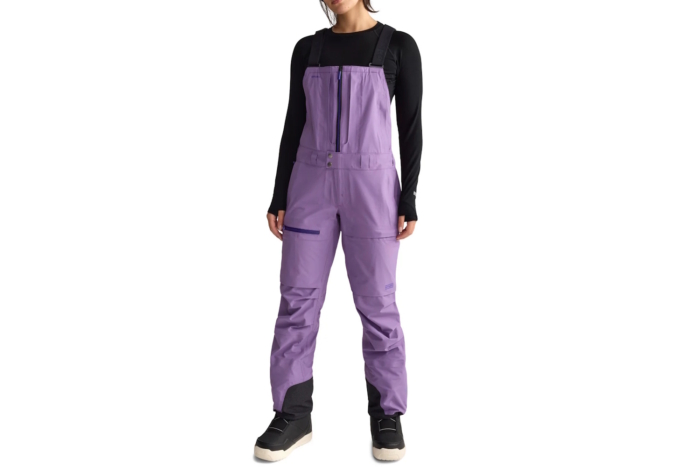
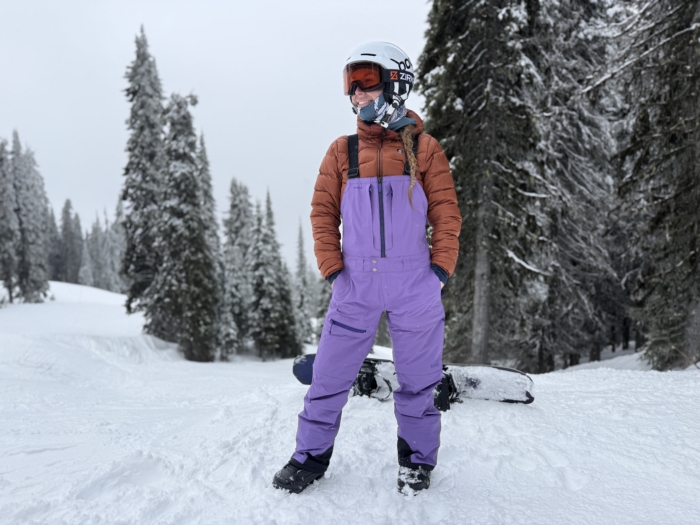
Creating a new cornerstone of sustainable ski outerwear, the Oyuki Nimi NetPlus 3L Bibs ($550) debuted as part of the world’s first ride collection constructed from NetPlus recycled nylon fishing nets. Developed in partnership with Bureo, these bibs prove that environmental responsibility does not require a sacrifice in technical performance — as our team confirmed after a full season under the microscope. In a streamlined yet attractive cut, this athletic-centered design offers reinforced kick patches, interior leg vents, multiple entrances, easy-to-adjust and comfortable suspenders, plus the highest number of pockets we’ve seen in a bib — all the key ingredients we search for in a backcountry diamond. Leaving behind bagginess, the cut is comparable to the Flylow Foxy with a lower-profile, slenderized fit for zero drag or hang.
Full disclosure: SnowSports Senior Editor Morgan Tilton was surprised how much she liked this innovative fabric. It’s stout yet fairly flexible, with a softer hand feel though similar density to the TREW Chariot Bib Primo, a proprietary highly waterproof textile. Made for the demands of off-piste travel, the Nimi Bibs utilize a robust 3-layer technical shell construction, which was brand-tested in the legendary deep powder of Japan to ensure meeting Oyuki’s benchmarks for waterproofing and breathability, at a 20K/20K rating. Tilton tested the Nimi during weeklong deep storm cycles in British Columbia, at RED Mountain Ski Resort, and the fabric holds up to the claim.
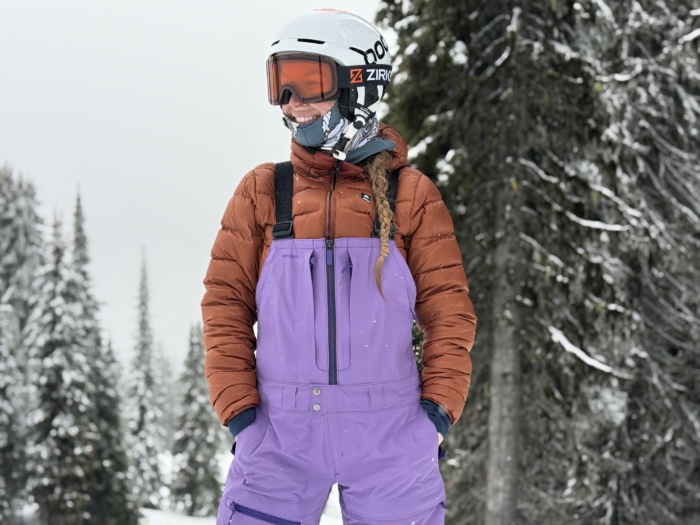
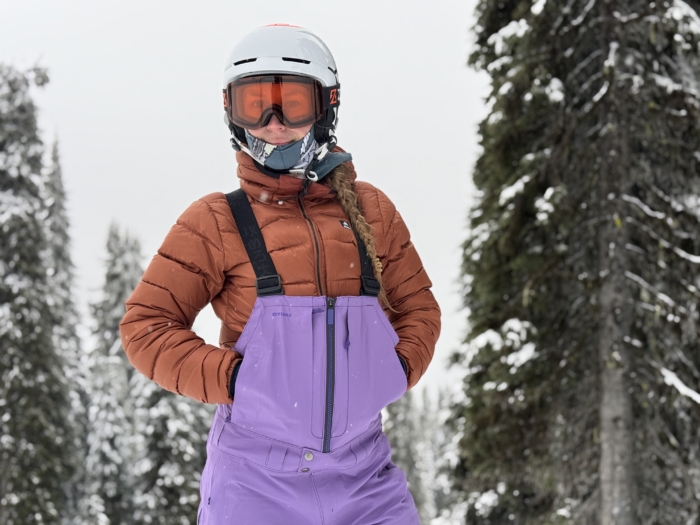
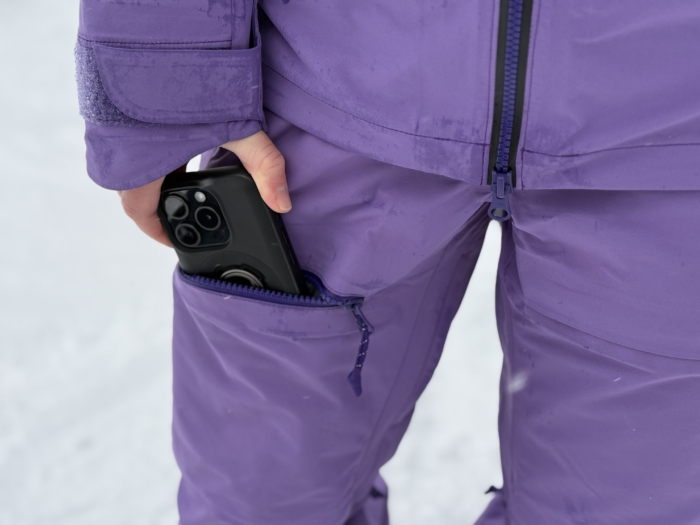
We couldn’t believe the number of pockets: Eight! Symmetrical across the front of the bib, the designs include zippered thighs, hands, and two sets on the chest. Most of the pouches are smaller, with enough space for a snack, tool, or face mask, while the thigh pockets are suitable for a large phone. The zippers are robust, and we appreciated the front entrance or side zipper (on the right side), which doubles as a barn door for bathroom breaks. To help hold, laser-cut low-profile belt loops circle the hips. These wide, elastic suspenders are super comfortable with zero pressure points, shoulder slump, and smooth sliders. Inside the chest, a slender metal D-ring is fixed to attach keys or tools.
Nothing is perfect. We noticed that the DWR, albeit 100% chemical-free, does not prevent the bib from wetting out in extended damp storm cycles. British Columbia is known for wetter, heavier snow than Colorado’s drier snowpack, and Tilton noticed at the end of bell-to-bell resort days at RED, there were visible patches in the fabric. That said, this textile is highly waterproof and didn’t soak through. However, with a full day of exposure, the aftermath of a wet-out could eventually lead to lower breathability, refrigeration effect (a.k.a. cooling), and weight. It’s not a total dealbreaker for us but something to note.
Highly articulated and thoughtfully designed with distinct details, Tilton reached for the Nimi the majority of pow days in British Columbia. These bibs look good, feel good, and perform well. Beyond the technicalities, we dig that NetPlus partners with local fisheries along the coast, creating local jobs while supporting closed-loop manufacturing and preserving coastal habitat. For riders who demand a professional-grade kit but want to minimize their carbon footprint and reduce ocean pollution, the Nimi NetPlus is a premier, ethically crafted, and style-forward shield for the winter season.
Stio Women’s Figment Bib
Specifications
Pros & Cons
Pros
- Ample, functional pockets
- Two entry points increase adaptability
- Aesthetic freeride style
Cons
- On the pricier side
- Heavier weight for backcountry use unless it’s cold out
- If you’re searching for a more streamlined, athletic fit, look elsewhere
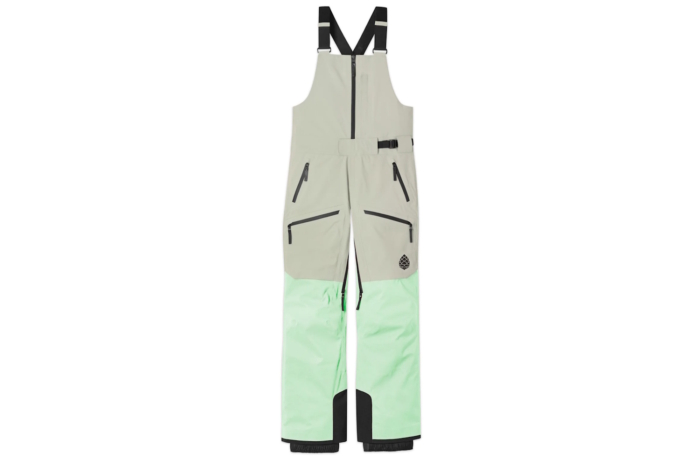
A fairly recent drop from our favorite Teton-based brand, the Stio Women’s Figment Bib ($499) turns heads and makes our days on snow that much smoother. At the top, this design has a jaw-dropping amount of storage. A freeride silhouette means we can easily don a fleece below the bibs on extra cold ones. And we don’t need to worry about our quads or glutes busting out any seams. This piece hits the mark and even exceeds what we envision a favorite bib can be, especially for our pocket-loving ladies who want a baggier fit.
Diving into our favorite luxury, this bib boasts five functional pockets. The kit’s matching jacket delivers another eight. And each pocket manages to serve: Stio cracked the nut for combining two angled, softly-lined hand pockets alongside two boxy quad pockets that are spacious for quickly sliding in a phone. We don’t like sacrificing either, especially post-ski when we pull off our gloves, and now we don’t have to. One of our biggest peeves is when we can’t smoothly utilize an upper thigh pocket when the legs are too fitted around the quads. Not the case here. There’s also a zipped chest pocket.
Stio also achieved a bib with two entrances. Much like the other bibs on our list of faves, there’s a lengthy side zipper — this one is 20.5 inches long — that ladies can use to step into the bib. That’s also the zipper she pulls down to fold back the fabric and use the bathroom. A second zipper is front-center, and is our preferred entrance, because it’s a bit easier to slide our arms into the suspenders when the burrito is fully open.
The Figment has a few other fine details: An elastic belt with an adjustable slider helps you tighten up the fabric around your waist if you’d like. Parallel with the belt, a strip of Velcro fabric extends over the center zipper, providing a clean look. The suspenders are wide and easily adjustable with Velcro on the underside that adheres directly to the soft fabric, providing plenty of real estate.
Ultimately, the Figment Bib hits the mark as a super practical, comfortable, and weather-proof layer that’s also downright stylish. The material is a bit hefty for uphilling and backcountry sessions, and we found the fabric also feels heavy for touring in temperatures above freezing. If you’re backcountry skiing in a frigid climate, this bib is protective and roomy enough for lunging on the skin track. But as a hybrid piece, it’s not our first pick based on the breathability and the baggier fit. A more breathable design, like the Ortovox 3L Deep Shell Bib, hits that off-piste mark. That said, we’re hard-pressed to find a more hip and suitable kit for 9-to-4 resort laps. We love the Figment.
Rab Khroma Kinetic Waterproof Bib
Specifications
Pros & Cons
Pros
- Generous pockets
- Less expensive performance option for backcountry chargers
- Malleable hardshell material
Cons
- Mountaineering features might be overkill for resort goers
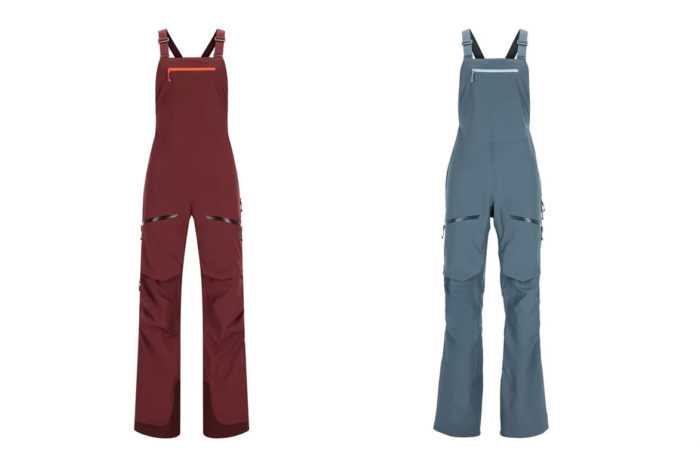
The technical and sporty Rab Khroma Kinetic Waterproof Bib ($395) is a hard charger that’s perfect for an athletic skier or rider. The pants are breathable with durable 3-layer stretch woven nylon fabric. They boast a superb range of motion and tier of waterproofing. Rab says these pants offer the protection of a hardshell with the comfort of a softshell, and they’re spot on.
Full chest coverage differentiates this bib from some lower-slung styles we reviewed, like the Stio Women’s Environ. Here, we like the large front access pocket for storing things like a phone, GPS, chapstick, or snacks within reach.
Another two thigh pockets and a backend pocket top off the options. Those exterior leg vents really open the window when a breeze is needed. With fully taped seams and a combo of YKK AquaGuard zippers (including a fully waterproof front fly zip), this layer is a warrior against moisture.
Extra features, like reinforced instep patches to shield crampons and strengthen the hem, make these pants a top choice for ski tourers and mountaineers. Internal gaiters block snow. The stretchy, breathable lower back helped keep us cool, even when carrying a heavy pack and motoring uphill in the backcountry. And everyone can get behind the generous drop seat to answer nature’s call.
These pants are ideal for a backcountry day, and they also worked well while lapping the resort in 30-degree temps with a warm wool base layer. The Khroma Kinetic is an ideal one-quiver pant.
TREW Chariot Bib Primo
Specifications
Pros & Cons
Pros
- Plenty of pockets
- 270-degree drop seat
- Sustainable proprietary textile that’s 100% recycled and very waterproof
- Jacquard elastic suspenders with silicon gripper
Cons
- A bit short for longer torsos, consider sizing up
Read Review: The Plus-Size Technical Ski Bibs I’ve Been Waiting For: TREW Gear Women’s Chariot Bib PRIMO Plus Review
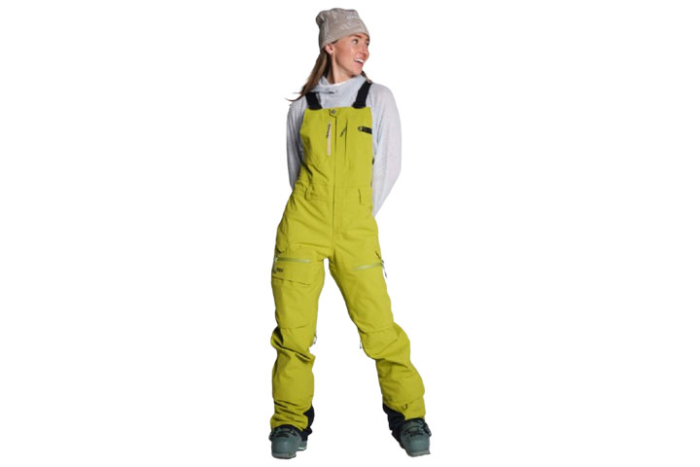
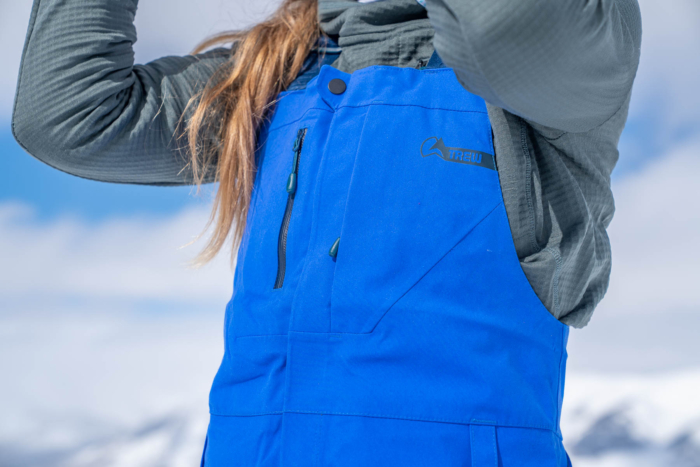
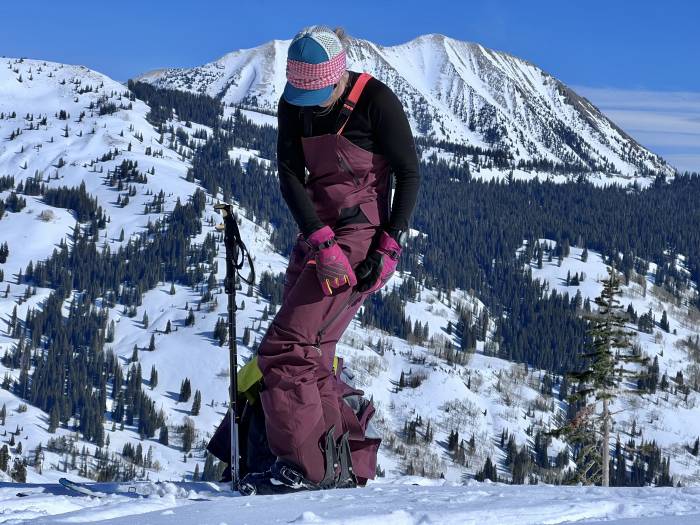
Made entirely of the brand’s proprietary Primo fabric, the TREW Chariot Bib Primo ($519) offers a relaxed freeride fit with room for layers — yet is flattering and feminine. We hugely approve. Throughout testing, SnowSports Senior Editor and gear expert Tania Awalegaonkar found that the fabric shielded hefty, wet snowfall with no damping and dried very fast. The bibs zip down the front to peel off, which provides easy access despite being a tall-reaching bib that completely covers the chest zone. Compared to the iconic Chariot Bib Classic, this fit runs slightly roomier. That said, our primary tester has a longer torso and would consider sizing up for the next round for a tiny more room in the undercarriage. But we’re also hard-pressed to find another brand with as many size options as this one. TREW offers 1X-4X with short and tall options in addition to the XS-XXL run. For both size blocks, the short has a 30-inch inseam and the tall offers a 35-inch inseam.
These bibs aren’t tight but they’re not baggy — we found there’s not a ton of extra space, which we only noticed on freezing days during bathroom visits (not while shredding). Only this bib on our list has a clamshell-style trap door design. We needed a little patience to peel our layers up and down (and retuck them) with the drop seat open. The tailored waist area translates to a drop seat that needs an extra second to open and shut due to the closer fit. It’s not a big deal, but it doesn’t make us want to wear these bibs on backcountry missions where we prefer an athletic fit yet spacious side-entry drop seat design like what’s available in the Ortovox 3L Deep Shell.
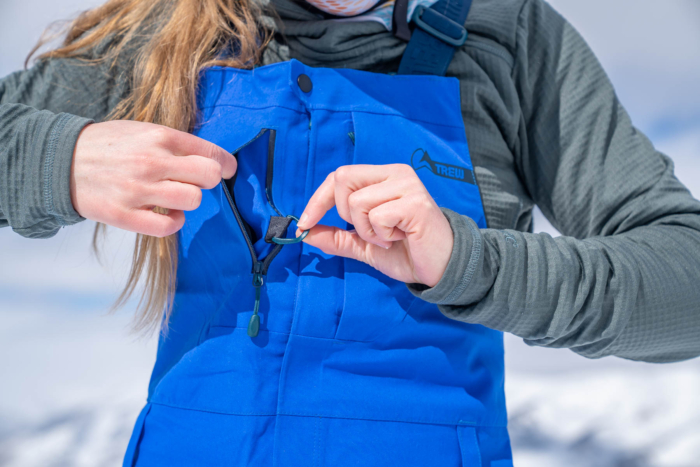
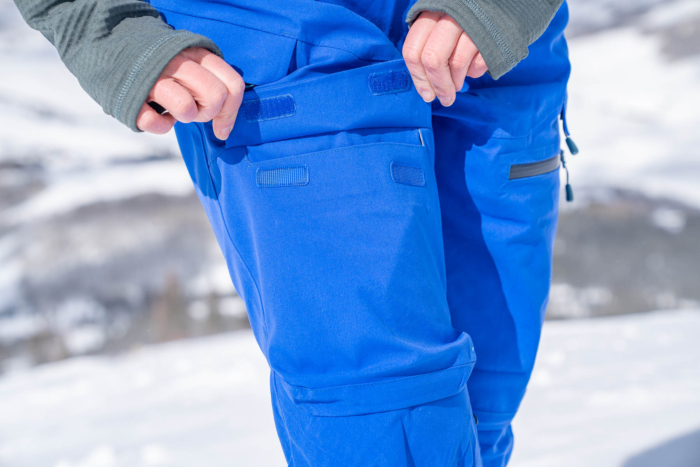
Nothing is better than bib straps that stay in place. We love the underside of the wide, stretchy straps, which offer a strip of sticky silicone, allowing the suspenders to sit still. The extra seconds they require to pull on and snag loose hairs are worth the delivery. We dug the variety of pockets: Two upper chest pockets, which were perfect for a house key and wallet — so they’re not the largest kangaroo pouches among our choice bibs. There are three pockets on the upper thighs (two that are zippered and one with a Velcro flap), which are great for other collectibles.
Based in the Pacific Northwest, icon TREW launched drop-seat snow bibs in 2009, including a massive overhaul of the OG Chariot Bib by lead female designer Brittany Crook along the way. Fifteen years from inception, the brand launched a sustainable in-house fabric after several years of development, which is strong enough to withstand even the coastal elements. Introducing the Primo Collection, the brand’s 100% recycled nylon, 3-layer, waterproof-breathable fabric that’s durable and offers plenty of dynamic stretch.
The pockets have internal integrated 15mm D-rings for latching clips. Interior leg vents on the bibs get the job done and don’t have an interior mesh fabric for the zip pulls to get caught on. The hems and large interior kick patches (7½ by 7¾ inches) are made with SuperFabric, a lightweight fabric that’s touted as abrasion and stain-resistant. Every intersection of fabric on the Chariot Bib Primo is fully reinforced with 3L tape to keep out moisture — plus, the zips are water resistant. For moisture-heavy zones and ample style points, snag yourself a Primo kit. Read our coverage of the matching TREW Stella Jacket Primo in the Best Women’s Ski Jackets and Best Snowboard Jackets buyer’s guides.
Stio Skyrider Bibs
Specifications
Pros & Cons
Pros
- Flexible fabric with a soft hand that moves well on steep climbs
- Plenty of pockets, including two zippered cargo pockets and a large chest kangaroo pocket
- Workwear-inspired design is fun and just a little bit different (in a good way)
Cons
- Not a broad size spectrum; no plus sizes
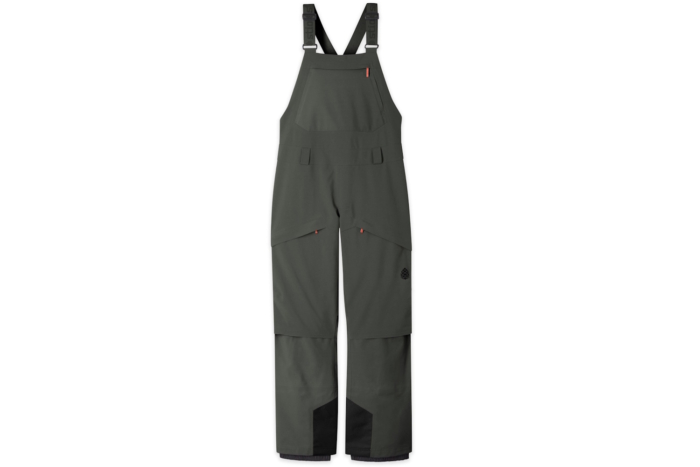
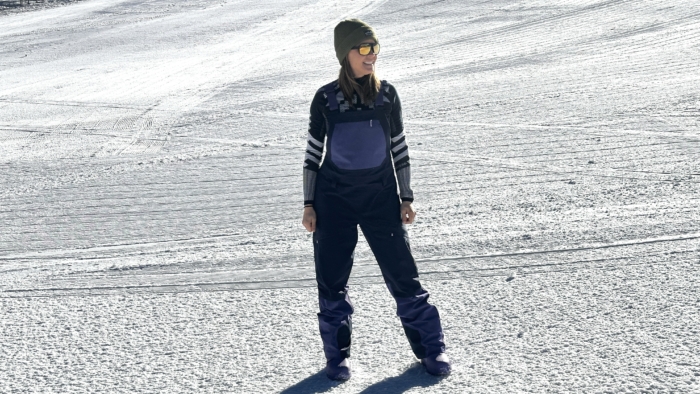
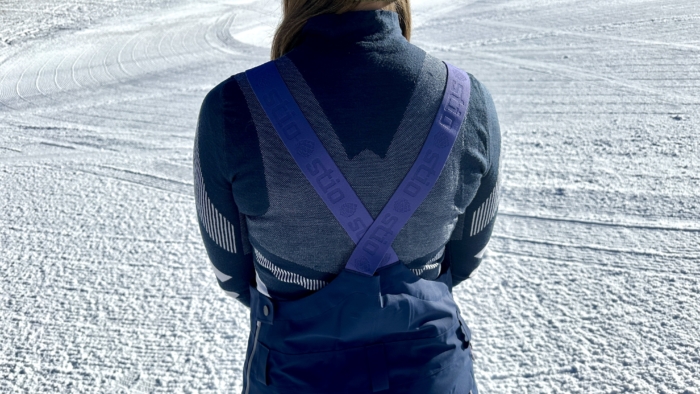
Hello there, friend. The Stio Skyrider Bibs ($329) are here to have a good time — and put in some serious work. They’re comfortable, durable, and genuinely enjoyable to ski in, especially if you’re the sort that likes long, steep climbs.
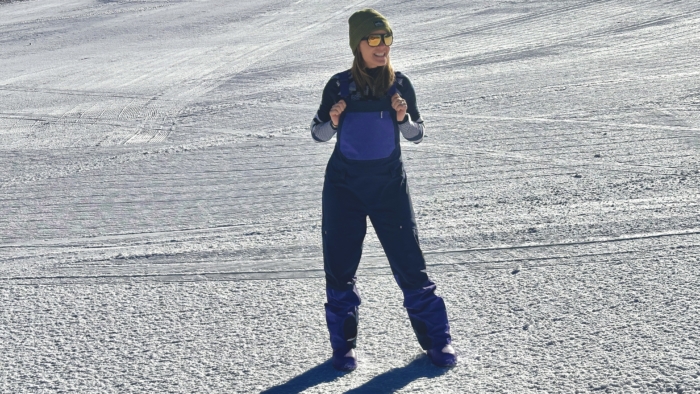
GearJunkie contributor Heather Balogh Rochfort tested the Skyrider Bibs over four days of uphill skiing at Aspen Snowmass, climbing 7,500 vertical feet in testing. Her immediate takeaway: this fabric moves well. Stio’s PeakProof canvas is the brand’s in-house waterproof shell fabric, designed to feel more cozy and less crinkly. In real life, Balogh Rochfort loved how it never poked or irritated her skin when it folded into sharp creases, especially while skinning up steep hills. The regular fit worked true to size; Balogh Rochfort wore a medium at 5’5″ and 145 pounds and found them comfortable all day.
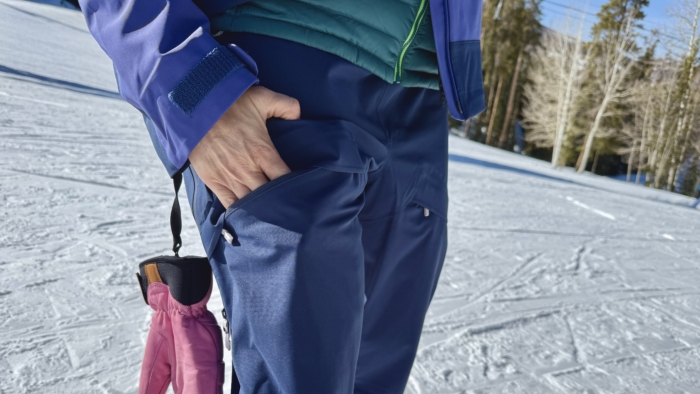
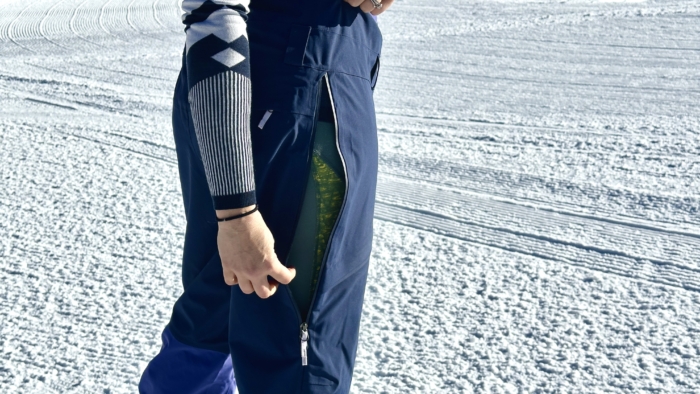
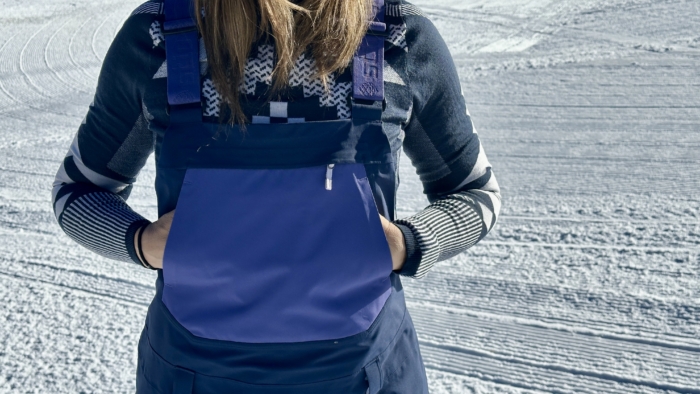
The pocket layout is a highlight. A huge kangaroo chest pocket is a fun vibe, backed by a zippered pocket behind it. There are also two zippered thigh pockets and a rear zippered butt pocket. Two-way zippers on each thigh make it easy to dump heat, and the left side integrates into a drop-seat design. While it works well overall, Balogh Rochfort found it slightly awkward at times as a right-handed user.
But overall, the cheeky workwear-inspired look and bomber functionality of the Skyrider bibs made these a favorite in this year’s testing cycle.
Field Tested & Approved: 7 More Women’s Ski Bibs That We Love
Yes, our awarded women’s ski bibs are worn the majority of the season — but we have a handful of silver medalists that hang ready in our gear wardrobe. These runner-ups have great durability, fit, and pockets.
Specifications
Pros & Cons
Pros
- Flattering fit that is less bulky than past versions
- Smooth polyester lining feels good against base layers
- Easy-to-use drop-seat makes bathroom breaks a breeze
Cons
- We wish there was a cargo pocket
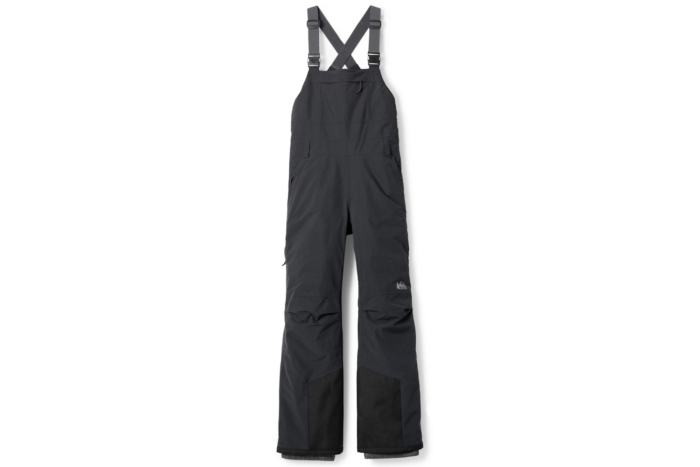
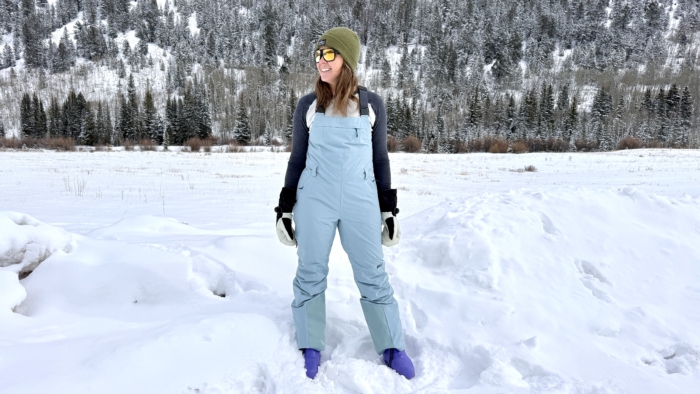
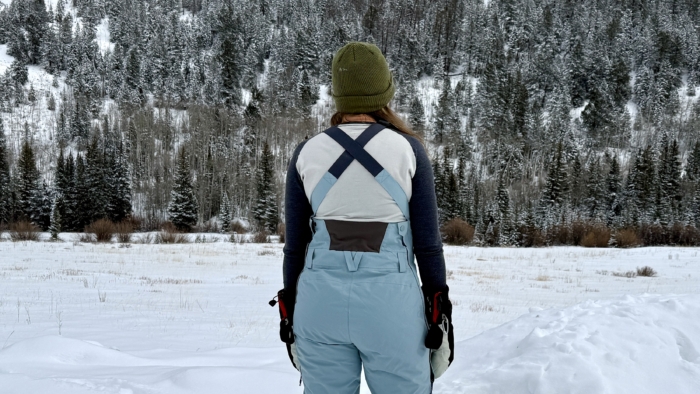
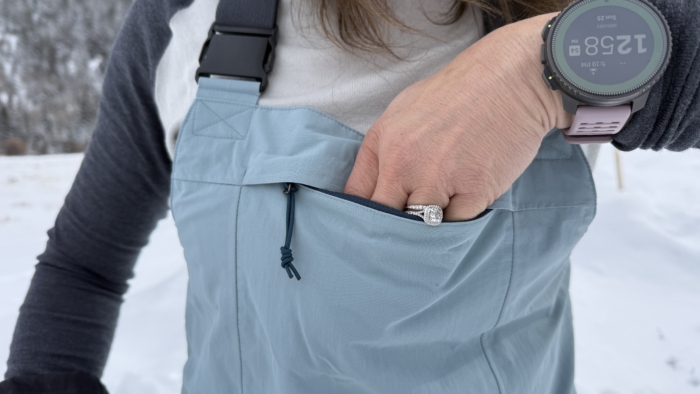
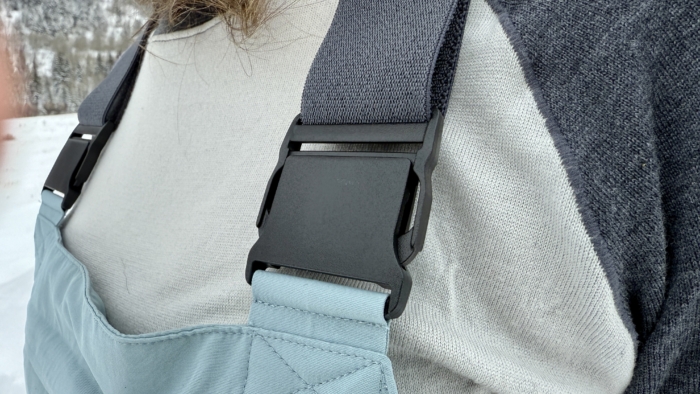
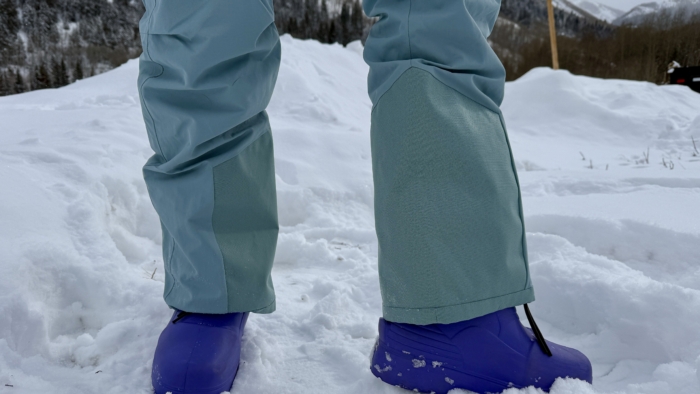
Frankly, the REI Co-op Powderbound Insulated Snow Bibs ($219) wowed our ski boots right off. They’re warm, comfortable, and flattering — which we absolutely didn’t expect for the most affordable bibs we tested.
Designed for lift-served skiing in cold, sometimes wet conditions, the Powderbound Bibs use a 2-layer Peak waterproof/breathable laminate with 40 grams of synthetic insulation. Result: a bib that stays warm without feeling bulky or weird. Truly, fit is the real standout. Budget bibs often come with odd proportions or a boxy feel or wonky sizing, but these move comfortably and actually look good on. The powder blue colorway is darn cute, too.
GearJunkie contributor Heather Balogh Rochfort tested the Powderbound Bibs across a weekend of downhill skiing at Aspen Snowmass and one absolutely frigid day of Nordic skiing near her home in Carbondale, Colorado. She immediately noticed how smoothly the bibs slid over base layers thanks to the recycled polyester lining. Is this a deal breaker for bibs? No, but it sure was a nice-to-have luxury. Her favorite feature is the smart drop-seat design. It works in conjunction with the pair of two-way zippers, so you can dump a ton of heat but also not pee on your actual pants.
Tradeoff: Balogh Rochfort wished for a cargo pocket on her thigh to stash her phone. Still, with reliable weather protection and a sleek fit, the Powderbound Insulated Bibs easily take the top spot for our best budget pick.
-
(Photos/The North Face)
-
-
-
-

Specifications
Pros & Cons
Pros
- Generous cargo pocket fits your phone
- Inner-thigh vents dump heat
- Affordable price tag on a functional bib
Cons
- Sizing is funky; some women may get stuck between sizes
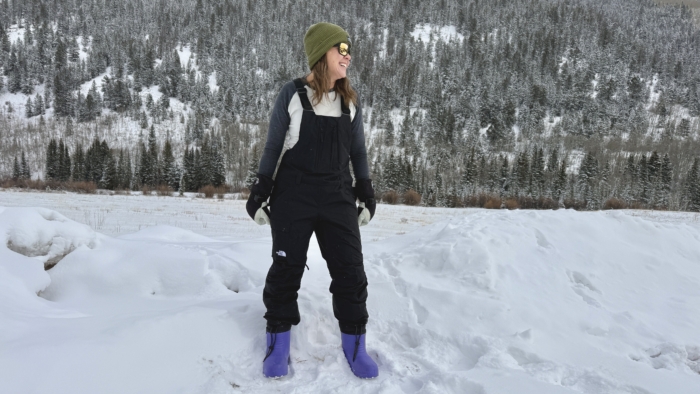
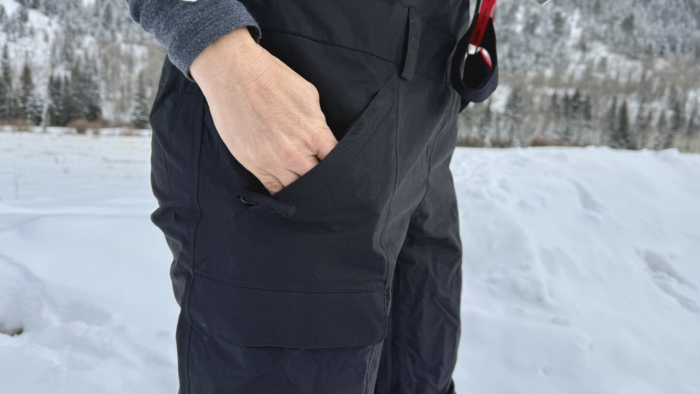
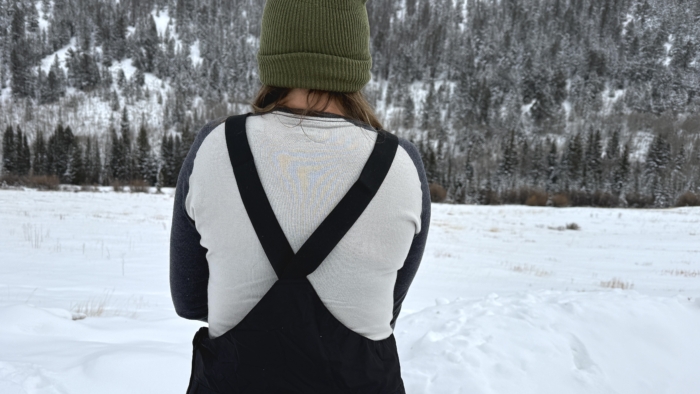
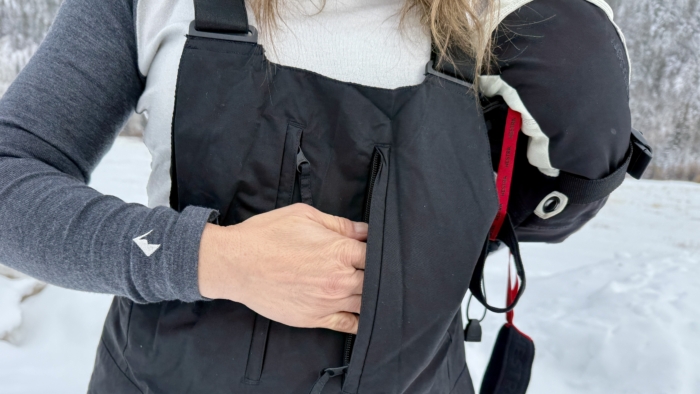
The North Face Women’s Freedom Bibs ($220) are essentially the Freedom Insulated Bibs without the warmth: same fit, same fabric, same features That makes them a solid, affordable option for resort skiers who want to control their layers, or even go on the occasional ski tour.
The Freedom bibs work thanks to the straightforward, durable build. The 2-layer DryVent shell blocks wind and snow effectively, the fabric feels tough enough for regular resort use, and reinforced kick patches hold up to ski edges and parking-lot abuse. Adjustable suspenders and articulated knees keep the bibs comfortable and inner-thigh vents help dump heat when you’re working harder. Yes, it’s a no-frills design but we’d wager many skiers are happy to cut some luxuries for an affordable price tag.
GearJunkie contributor Heather Balogh Rochfort tested the Freedom Bibs across two resort days at Aspen Snowmass and one day of uphill skiing. Most of her testing conditions were in the mid-20s (Fahrenheit) but she also experienced a genuinely cold morning with temperatures hovering around 5 degrees Fahrenheit. In those brisk conditions, the shell proved reliably weatherproof. And, she actually prefers the lack of insulation since it makes the bibs easier to fine-tune warmth with layers.
Budget options always come with tradeoffs, and the Freedom bibs see the same dings as the insulated version. There is no chest zipper and the dropseat zipper is slightly short, so acrobatics are needed to wiggle in and out. And of course, the sizing is still off. Balogh Rochfort sizes up and the upper body was pretty large. Still, for the price, the Freedom Bibs deliver dependable protection and solid value for casual and budget-minded resort skiers.
-
-
Weather protection, versatility, and comfortable fit; there's a lot to love about the Rush bibs; (photo/Heather Balogh Rochfort)
-
-
-
Specifications
Pros & Cons
Pros
- Roomier fit in the hips and thighs fits a wide variety of women
- New fabrics are better for the environment
- Large thigh pockets are functional and comfortable
- Light enough for touring missions
Cons
- Very expensive
- Lower-cut chest coverage could be a dealbreaker for some tourers
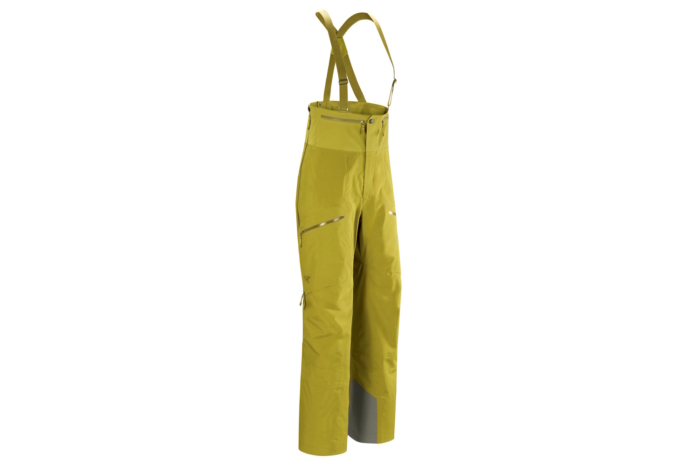
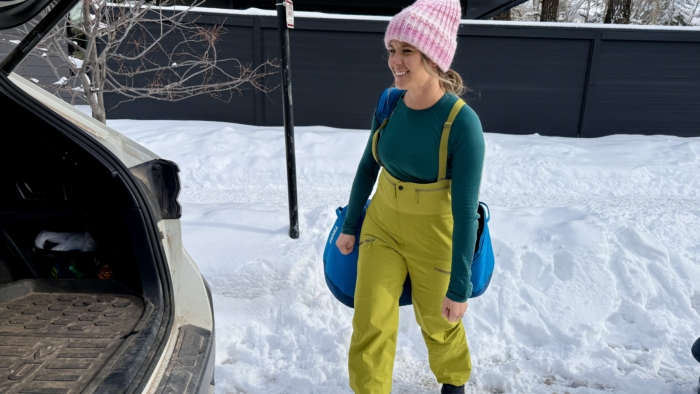
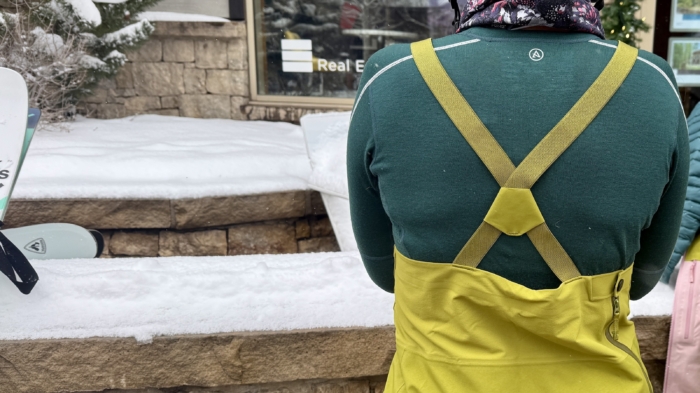
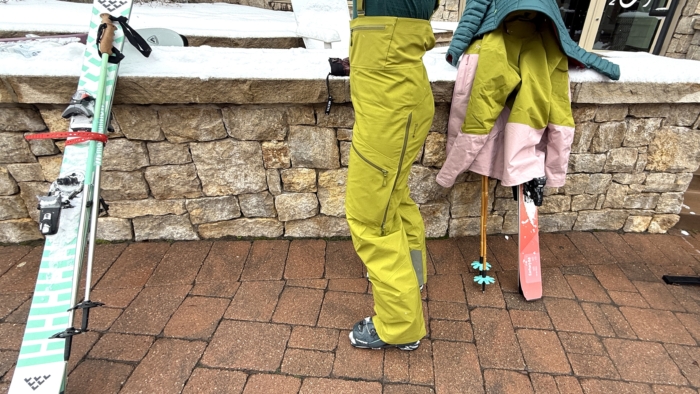
The Arc’teryx Rush Bib ($750) are designed to feel like an extension of your body, and this latest update comes closer to that than any previous version. After years of testing ski bibs in everything from resort laps to sweaty uphill missions, GearJunkie contributor Heather Balogh Rochfort found the redesigned Rush Bib stood out not just for the tech specs, but for how much better they fit and move.
Balogh Rochfort tested the Rush Bib over multiple days of resort skiing in blustery winds, 15-degree Fahrenheit temperatures, and springlike bluebird conditions, along with an uphill ski day at Snowmass. Through it all, the bibs never restricted movement. The most significant improvement is the fit: a longer rise, roomier thighs, and added hip space make a real difference, especially for skiers with athletic builds and strong quads. Balogh Rochfort specifically noticed that the bibs didn’t ride up her crotch on steep climbs, a problem she and Senior Editor Morgan Tilton experienced with previous iterations of the bib.
Storage and ventilation are well done with some small but powerful additions. Two large thigh pockets easily accommodate a phone or device, with extra space to spare — plus, they’re insulated and feature a soft, brushed lining. Meanwhile, two zippered waist pockets (both new in this update) secure essentials like keys or credit cards. Dual side zippers running from hip to knee provide excellent heat dumping, along with a relatively easy-to-work drop seat when nature calls.
This update also marks a shift to PFAS-free GORE-TEX PRO ePE fabric, a change driven by evolving environmental regulations across the outdoor industry. In testing, the new membrane delivered the bombproof storm protection we experienced in the original Rush Bib while feeling quieter and less stiff than previous generations. Balogh Rochfort still believes “waterproof breathable” is a relative myth, but the Rush performed as well as any other during a sunny, 45-degree Fahrenheit ascent.
Still, weighing in at only 515 g, this is definitely one of the lightest and strongest bibs we’ve tested. Comparatively, the fabric of the Patagonia SnowDrifter feels similarly lean and buttery, but the upper reaches higher, and overall, the bib weighs more (600 g). Other enhancements to the Rush include a media sleeve in each thigh pocket and a more streamlined RECCO reflector. The suspender attachment — which Tilton had previously found to be somewhat limiting — is also improved. Sure, the Rush Bib is undeniably expensive. But Balogh Rochfort considers them a classic “buy once, cry once” investment: durable, refined, and built to last for years of hard skiing. Skiers can also dial in the fit with a short, tall, or regular inseam length.
-
-
Sarah Stubbe testing Patagonia Women's SnowDrifter Bibs at Crested Butte Mountain Resort; (photo/Jason Hummel)
-
Sarah Stubbe testing the pockets on the Patagonia Women's SnowDrifter Bibs at Crested Butte Mountain Resort
-
(Photo/Jason Hummel)

Specifications
Pros & Cons
Pros
- Buttery fabric
- Eco-friendly, healthy construction
- Hardshell textile that feels as light as a soft-shell
- Completely PFC-free construction in addition to PFC-free DWR
Cons
- If you prefer a heavier fabric weight, look elsewhere
- We need to test for multiple seasons to examine durability
Read Review: Patagonia Women’s SnowDrifter Bibs: Overhauled, Earth-Friendly, Buttery Soft
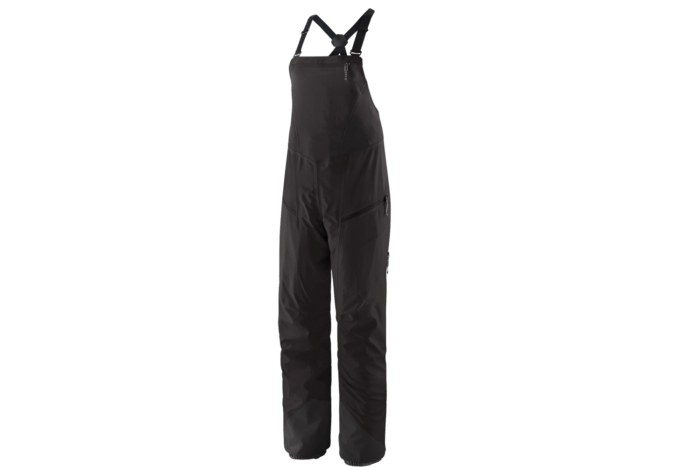
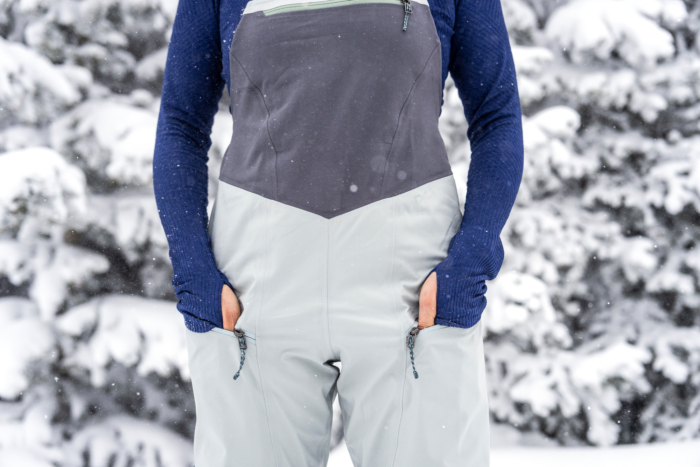
Patagonia set a new benchmark for technical sustainability last winter. Enter, the Patagonia Women’s SnowDrifter Bibs ($419), a first of its kind in the snow apparel space. Basically, if you want a high-reaching bib that’s extremely lightweight, breathable, and buttery, this one’s for you. But if you prefer a bit heftier fabric feel, especially if you live in a super cold or windy place and want that slight bump in warmth, check out other options like the Ortovox 3L Deep Shell or Stio Figment.
Adopting the name of SnowDrifter, these bibs are totally overhauled with the launch of this 3-layer textile, which is made of 100% recycled materials that are Fair Trade Certified sewn. Even so, the product meets Patagonia’s in-house H2No performance benchmark for high waterproofness, breathability, and durability. The brand dedicated several years of R&D to fine-tune a completely PFC-free lineup of 2-layer apparel for winter enthusiasts, which you might recall debuted as The Powder Town collection, in 2022-2023. Here’s the evolution.
The lightweight, stretchy fabric and minimalist design feel like a soft-shell jacket, yet is a constructed hardshell to tackle burly conditions from whiteout blizzards to bluebird climbs. Malleability supports a full range of movement, as does the fit, without sacrificing the protection, breathability, and moisture-wicking characteristics needed for a big day out-of-bounds.
There are two zippered cargo pockets on the thighs and one large zippered chest pocket, which are spacious enough for a large device or other items. A super long side zipper with two dual-direction zip-pulls facilitates bathroom breaks with a door flap as well as easy entry and exit. The design doubles as a vent for breaking steam. And detachable suspenders provide a second option for quick entry.
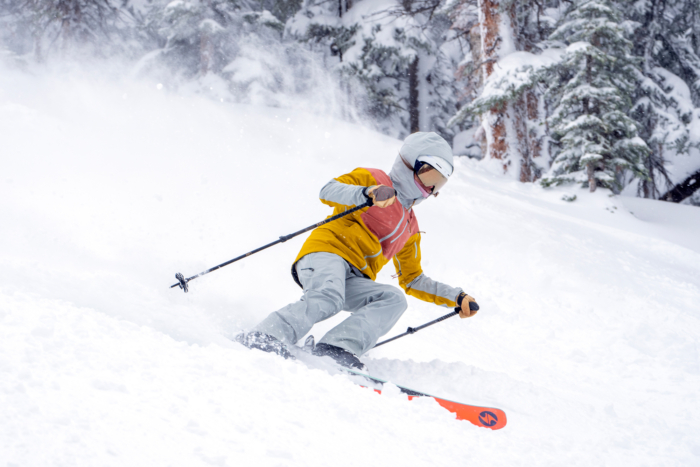
We found that these bibs are super light and ideal for uphill or downhill pursuits — plus, they hang their hat on sustainability. Including a RECCO reflector and sturdy gaiters, the SnowDrifter Bibs is now one of our favorite options in the gear bin. Plus, the brand created a matching Patagonia Women’s SnowDrifter Jacket — don’t overlook the review.
-
-
Morgan Tilton testing the Flylow Foxy Bib; (photo/Jason Hummel)
-
Morgan Tilton testing the Flylow Foxy Bib; (photo/Jason Hummel)
-
Morgan Tilton testing the Flylow Foxy Bib; (photo/Jason Hummel)
-
Morgan Tilton testing the Flylow Foxy Bib; (photo/Jason Hummel)
-
Morgan Tilton testing the Flylow Foxy Bib; (photo/Jason Hummel)
-
Morgan Tilton testing the Flylow Foxy Bib; (photo/Jason Hummel)
-
Morgan Tilton testing the Flylow Foxy Bib; (photo/Jason Hummel)
-
Morgan Tilton testing the Flylow Foxy Bib; (photo/Jason Hummel)
-
Morgan Tilton testing the Flylow Foxy Bib; (photo/Jason Hummel)
-
Morgan Tilton testing the Flylow Foxy Bib; (photo/Jason Hummel)
-
Morgan Tilton testing the Flylow Foxy Bib; (photo/Jason Hummel)
-
-


Specifications
Pros & Cons
Pros
- Robust cuff liners
- Extra ventilation with both interior and exterior zippers
- Tall and short lengths offered across size run
Cons
- Only goes up to XL
- Interior leg ventilation zippers are relatively short
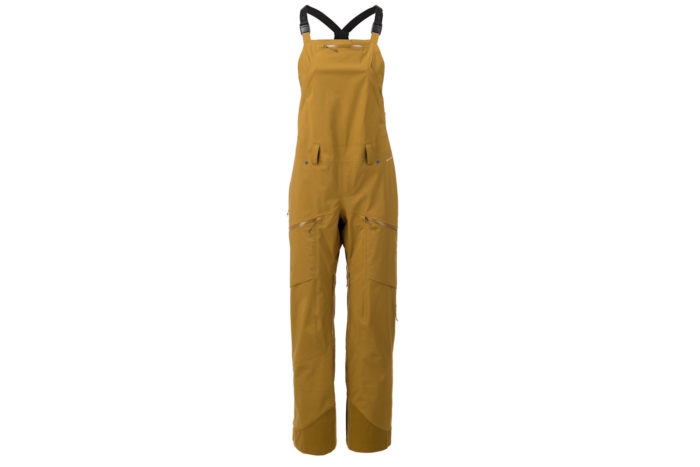
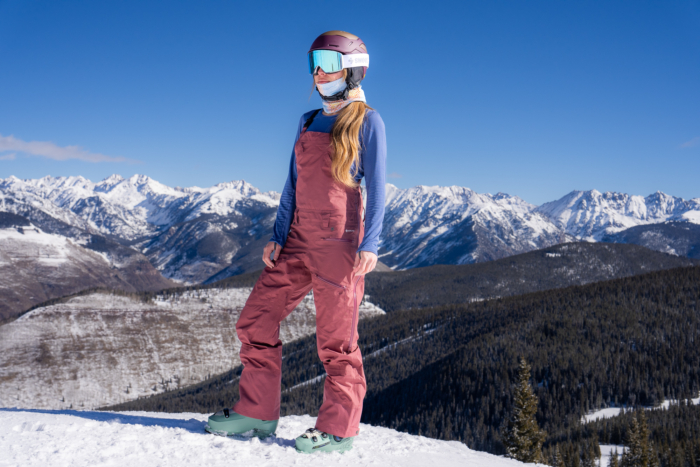
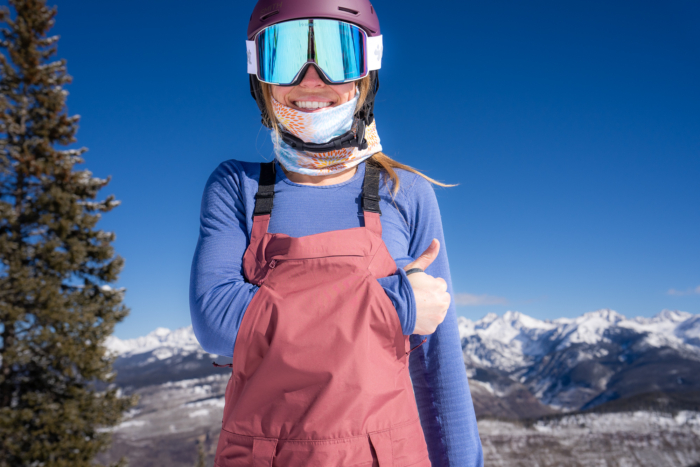
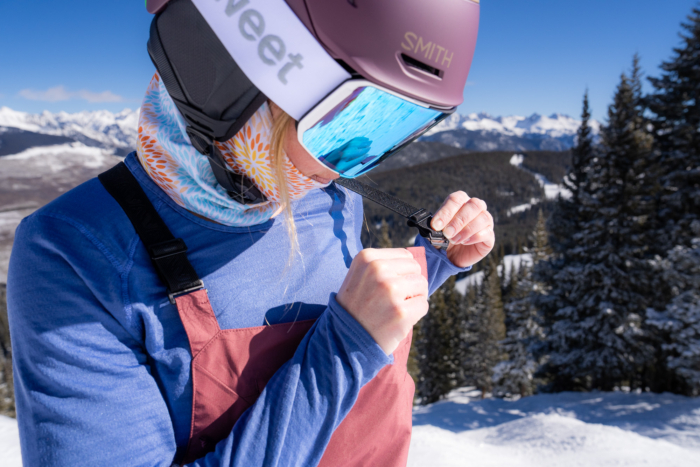
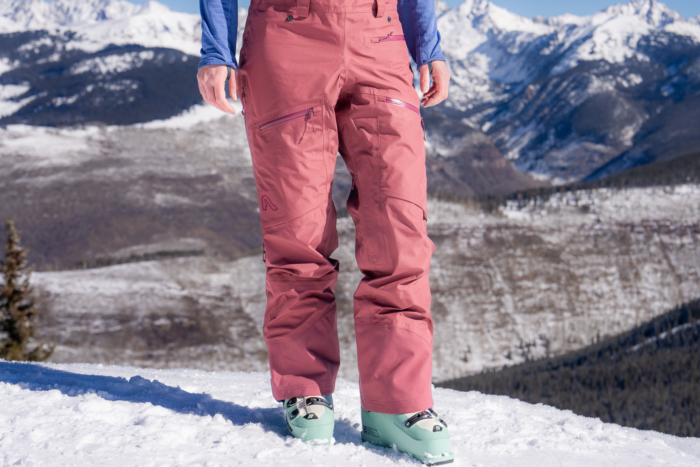
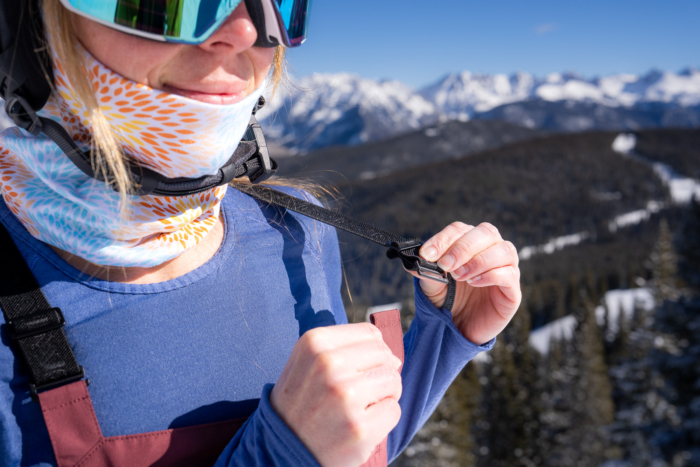
These legacy bibs have earned a reputation as an essential piece of gear for committed riders, blending a flattering silhouette with high-level technical performance. Constructed from 100% recycled Tactic 3-layer softshell fabric, the low-profile Flylow Foxy Bib ($480) is designed for versatility across all mountain conditions, from deep resort powder days to backcountry tours. The material features a premium 20K/20K waterproof-breathable membrane, plus PFAS-free DWR, ensuring maximum protection from heavy snow while effectively managing internal moisture during high-output movement.
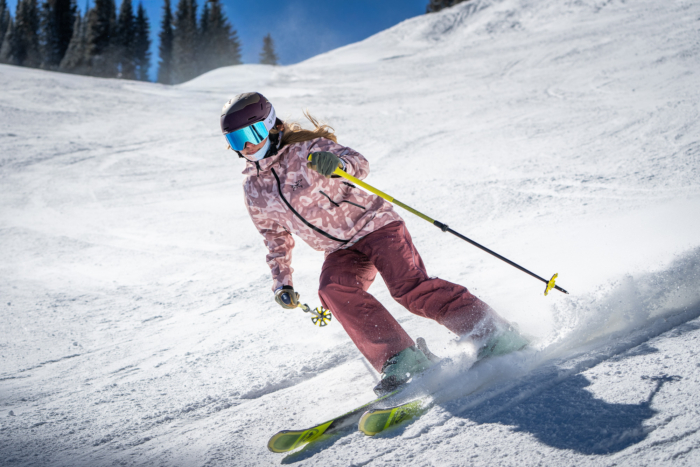
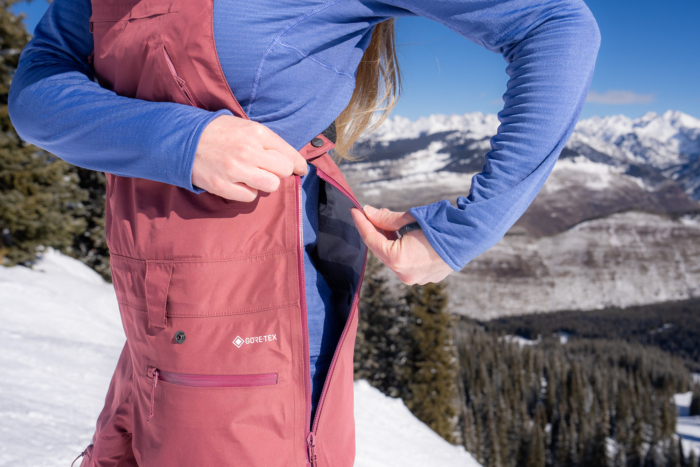
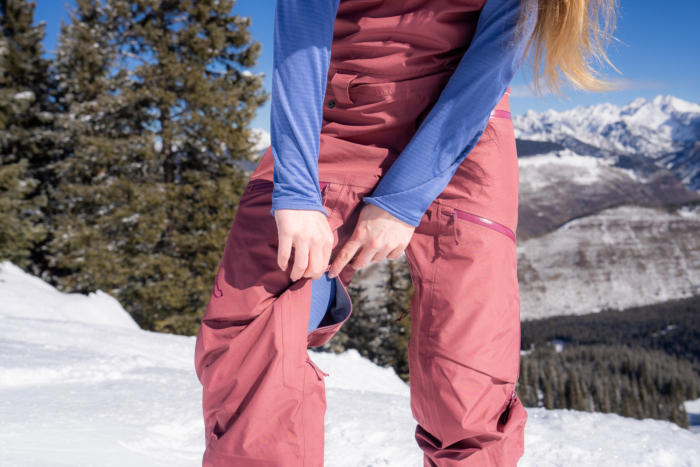
What distinguishes the Foxy is its athlete-driven design, which prioritizes functionality and convenience. With a relatively slim fit, these bibs offer a contoured look that reduces bulk, as SnowSports Senior Editor Morgan Tilton found during testing at Crested Butte Mountain Resort and Vail Ski Resort. One of the most praised details here is the long side vent and barn door zipper system, which allows for easy entry and, more importantly, provides a convenient solution for bathroom breaks without requiring the removal of upper layers. Durability is reinforced with 500D seamless cuff guards to protect against sharp ski edges, and the entire garment is fully seam-taped with YKK waterproof zippers.
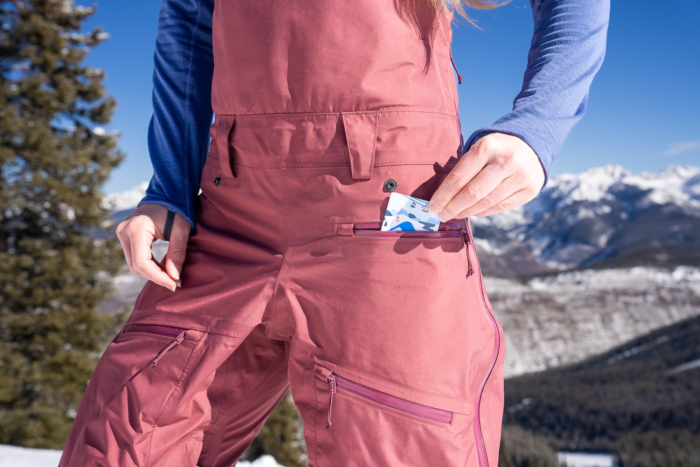
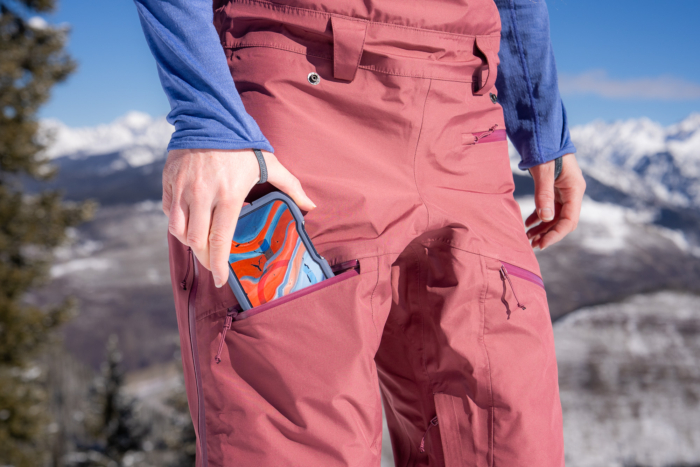
For backcountry travelers, the inner and outer thigh vents — Flylow doubles ‘em up — are critical for temperature regulation during uphill climbs. And the just-right thigh pockets are roomy enough for a large phone but keep the device close to the body. The right thigh pocket features a dedicated lanyard system and inner mesh pocket. (While Flylow tags this as a beacon-specific pocket, transceiver manufacturers recommend wearing the safety device with the included chest harness, and there’s no industry verification process or benchmark for pocket integration.)
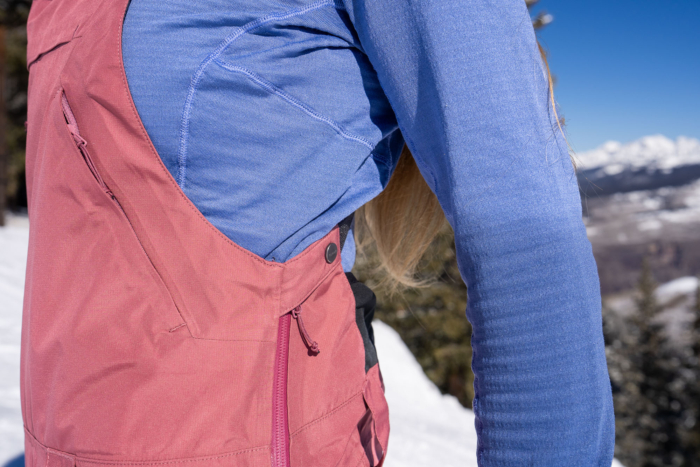
There’re many more pockets for snacks and gear! The standout is a pass-through kangaroo pouch, which can be entered via dual-sided zips, including a security tether. Above the pouch is a second zippered chest pocket. The zippered back pocket on the right side is roomy and deep. A unique zippered pouch sits on the left hip crease – a good spot for soft items, like cash, but there’s a lanyard (though the clip was unattached in Tilton’s bibs).
A minor ding is the gated-slider strap attachment for the Foxy’s suspenders: Albeit metal, the slender, hooked sliders have no locking mechanism. Even more so, the small sliders for adjusting the stretchy, textured suspenders are resistant to sliding when we change the length of the straps. Other women’s ski bibs have more generous leg vents — like the Ortovox Deep Shell — or stretchier fabric, like the Stio Objective Pro, which is more waterproof and breathable at 28K/25K. For a baggier cut, check out the Stio Figment. Craving lightweight material? Don’t miss the Patagonia SnowDrifter — you’ll feel like you’re in a base layer.
All considered, the Foxy has carved a space for itself as one of the best universal-fitting designs on the market including a range of short, tall, and regular inseam options spanning size 2-14 (the equivalent of XS through XL). This Flylow classic remains a sustainable, high-performance choice for anyone seeking a streamlined, reliable bib that performs as well as it fits.
Specifications
Pros & Cons
Pros
- Toasty for freezing days
- Soft exterior face fabric
- Smooth-moving fit
Cons
- Too warm for high-octane or above-freezing days
- Backside pocket isn’t too functional
- Entrance of thigh pockets isn’t large enough for using with gloves on
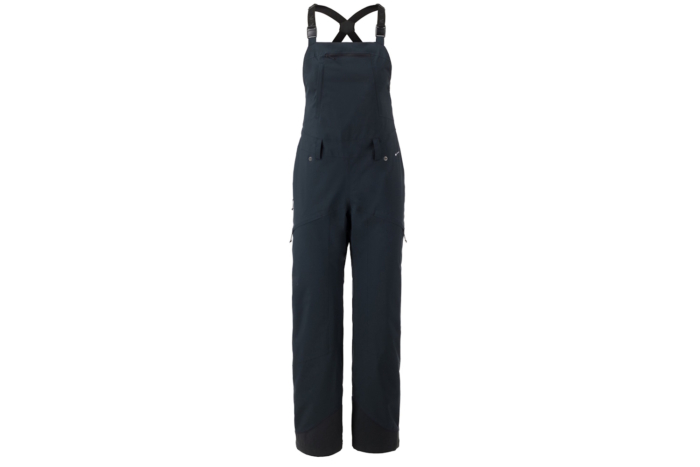
When one of our most idyllic ladies’ snow bib offers an insulated iteration, we listen. Going unchanged, the Flylow Foxy Insulated Bib ($460) serves up 40 g of 100% recycled insulation to keep our backsides and quads shielded from ice-cold blasts. If you shred in a frigid and windy zone — like Jackson Hole, Vermont, Alaska, or Crested Butte — don’t hesitate to snag one of these toasters. After testing these chest-high pants at one of the coldest ski areas in the country, we found that the insulation delivers and the fit is still superb. We loved pulling these on for freezing bluebird laps.
On cold powder days, we even got a bit sweaty while romping runs, so we’d drop the exterior leg vents in the lift line. When the wind picked up, we were grateful to have this insulation to help keep us happy while waiting to load. We also like seeing that the insulation is recycled, using the brand’s proprietary recycled polyester, Greenloft. The design is Bluesign-certified, too. The fabric is cheetah-status against wet snowfall, too, with a premium waterproofness level plus a PFAS-free DWR coat. While the breathability is high, we found the only way to overpower the insulation is to use those leg vents. We’d slightly prefer interior leg vents, instead of or in addition to the exterior vents, but these do the job.
We love the creativity of layering two pockets in the chest zone: The smaller one has a horizontal zipper entrance and the larger pouch has a vertical zip entrance on the right side. That kangaroo-style pocket is spacious: 11 inches tall and about 7.5 inches wide. Two zippered pockets are on the thighs, which aren’t lined with a soft fabric nor are they the largest carriers among our choice bibs. One of the biggest upper-torso pockets among our choice bibs is in The North Face Summit Series Verbier. On the backside of the Foxy Insulated, there’s also a zippered pocket on the right cheek.
Flylow pays attention to a handful of other micro points. We like that the suspenders have an easy, slender, quick-release buckle on each side. The elastic bands are super flexible, which we appreciate for getting the bibs on and off. Belt loops are always a plus for the option to pull one on.
Snaps wrap around the waist, too, which can be married to powder skirts on Flylow jackets. Ultimately, if we’re heading out in a blizzard, the Foxy Insulated Bib is one of our top picks from the bin.
-
-
(Photo/Eric Phillips)
-
-
(photo/Eric Phillips)

Specifications
Pros & Cons
Pros
- Super durable against sharp edges and weather with Dyneema and CORDURA
- Very breathable and adaptable fabric
- Extensive length on hand pockets for carrying electronic devices
Cons
- Pricier
- Built for backcountry use (might be overdone for resort-goers)
Read Review: Best Durable Backcountry Bibs for Women: ORTOVOX Deep Shell Bib Pants
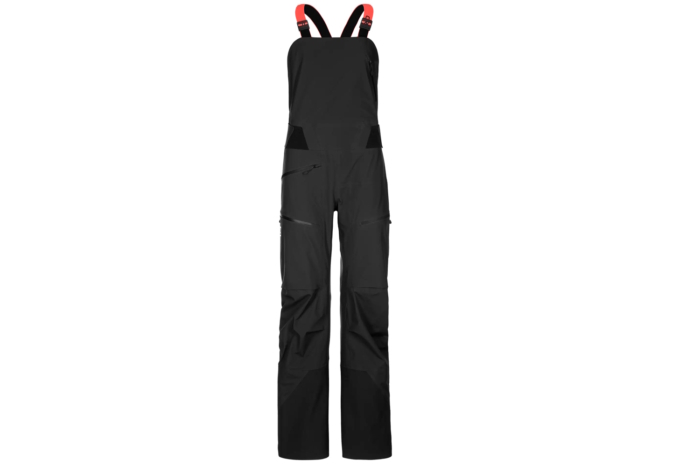
Ortovox’s first-ever women’s bib, the Ortovox 3L Deep Shell Bib Pants ($650), immediately won our top picks for technical, weatherproof, and breathable outerwear — ideal for backcountry ski tours, hammering snowmobiles, full-on resort days, and storm riding. The price is higher than most, but the build quality, long-term durability, and functional design make it a standout.
In a word, the fit is baggy. Recently, the freeride cut was updated to be slightly more streamlined through the legs, torso, and thigh pockets. Not to fret; they’re still loose, and you can still easily drop a large phone into the quad pouch, which is one of our favorite details. We also appreciate the large storage layout: two big thigh pockets, one hip pocket, and one chest pocket, which easily hold tools, large phones, or compact notebooks. That said, we’re bummed the brand shrunk the chest pocket down to just 5.5 inches by 7 inches. The previous pocket was the entire panel’s length — 16 by 9 inches!
The breathability of this bib feels unmatched on long skintracks in Colorado’s high-reaching Elk Mountains. Delivering 20,000 g/m², the fabric competes with GORE-TEX, as Toray manufactures the membrane. The nylon upper has a high reach and softshell merino inserts to protect the lower back. The double-sided drop seat is one of the easiest to use, with long zips running from the back waist to above the knees.
The 100% windproof, 20,000 mm waterproof shell held strong for SnowSports Senior Editor Morgan Tilton during a historic 100-inch, 5-day storm. Even after bell-to-bell lift laps in high-moisture blizzards, the fabric stayed dry. Fully taped seams and integrated boot gaiters sealed out snow, even over snowboard boots. A Dyneema-CORDURA panel wraps around each ankle, climbing 11 inches up the inside leg to protect the hems during skin track kick turns or crampon use. They remain unfrayed after four seasons.
Despite years of abuse — hauling sleds, shoveling, ski mountaineering, and trailer maintenance — visible wear is just starting to show, limited to a thigh pocket. Plus, sustainability is a core part of Ortovox’s design: the bib is PFC-free and certified climate-neutral. If budget is the priority, the The North Face Freedom Bibs cost less, but we’d expect around two seasons of use instead of four with the Deep Shell.
The kit’s matching Ortovox 3L Deep Shell Jacket is well-designed, earning a spot in our Best Ski Jackets for Women buyer’s guide.

Ski Bibs for Women Comparison Chart
Scroll right to view all of the columns: Price, Sizes, Fabric, Insulation, Pockets, RECCO.
| Women’s Ski Bibs | Price | Best Use | Fabric & Insulation | Drop Seat | Pockets |
| The North Face Summit Series Verbier | $600 | Resort | 3L GTX Shell, 100% recycled polyester face | Yes | 5 |
| The North Face Freedom Insulated | $250 | Resort | 3L GTX, 100% recycled polyester face | Yes | 5 |
| Oyuki Nimi NetPlus | $550 | Backcountry, powder days | 3L NetPlus, PFAS-free membrane, C0 DWR coating | Yes | 9 |
| Stio Figment | $499 | Freeride | 3L PeakProof | Yes | 5 |
| Rab Khroma Kinetic | $380 | Backcountry, high output | 3L Proflex Softshell | Yes | 4 |
| TREW Chariot | $519 | Resort, freeride | 3L PNW Primo | Yes | 5 |
| Stio Skyrider | $329 | Uphilling, resort | 3L PeakProof Canvas, 150-denier recycled polyester | Yes | 5 |
| REI Co-op Powderbound Insulated | $219 | Resort | 2L Peak, nylon stretch (71% nylon / 29% spandex) | Yes | 3 |
| The North Face Freedom | $220 | Resort, budget | 2L DyVent, 57% recycled nylon | Yes | 5 |
| Arc’teryx Rush | $750 | Backcountry | 3L GTX PRO ePE; recycled nylon and spandex liner | Yes | 4 |
| Patagonia SnowDrifter | $419 | Backcountry | 3L H2No | Yes | 3 |
| Ortovox Deep Shell | $650 | Backcountry | 3L Dermizax NX (merino lined) | Yes | 4 |
| Flylow Foxy | $480 | Resort, backcountry | 3L Tactic | Yes | 5 |
| Flylow Foxy Insulated | $460 | Resort, cold | 2L Recycled Intuitive | Yes | 5 |

How We Tested Ski Bibs for Women
Since this guide was first published in 2022, six expert riders have contributed to field tests to update this guide 15 times.
We routinely take women’s ski bibs into our laboratory from blizzards at 12,400 feet to freezing corduroy laps, sloppy spring days, and shoveling out snowmobiles.

Our Expert Testers
SnowSports Senior Editor Morgan Tilton has been an outdoor industry journalist covering winter gear for more than a decade. That includes live reporting for the Snow Show Daily and serving as Snowboard Editor at Teton Gravity Research. She manages the majority of GearJunkie’s winter guides, including Ski Bibs for Women, which joined her desk in 2022. Tilton grew up in Colorado’s San Juan Mountains, where she learned to slide on snow at age 4, in her backyard: Telluride Ski Resort.
- For the 2026 test window, Tilton tested four women’s ski bibs across 63 days, 445,000 vertical feet of descent, 832 miles, and 149 hours of snow travel via snowmobile, downhill riding, and backcountry tours. Primary test days took place at Crested Butte Mountain Resort and RED Mountain Resort, as well as Whistler Blackcomb, Vail Ski Resort, and Whitewater Mountain Resort — all of which delivered whiteout blizzards.
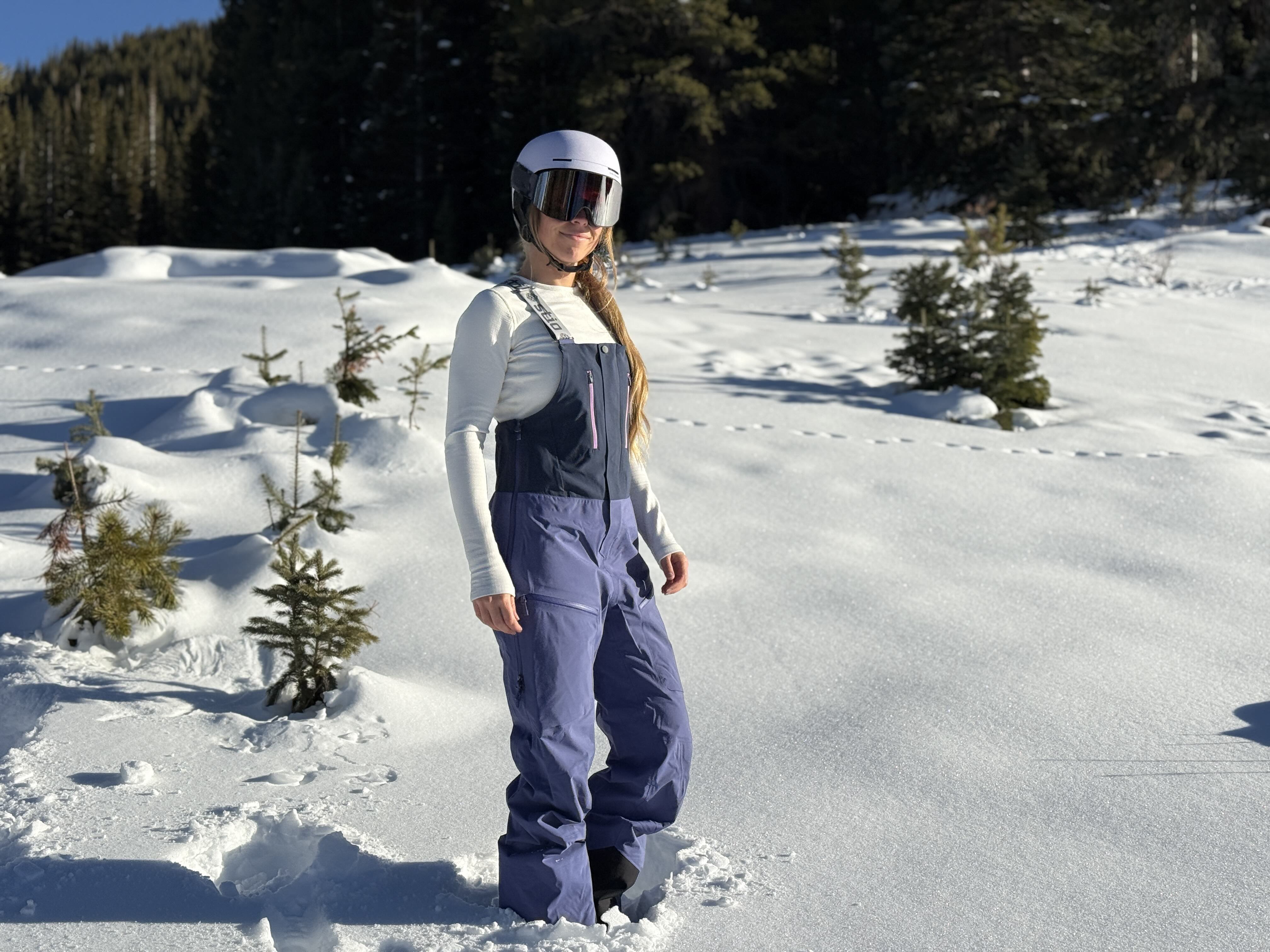
Gear tester Heather Balogh Rochfort is a writer and editor based outside of Aspen, Colo.
- In the 2026 test window, Balogh Rochfort tested five bibs for more than 70 hours and 10 days in temperatures ranging from 18 to 50 degree Fahrenheit. These bibs enjoyed laps at all four hills in Aspen, Colo., and the Italian Dolomites.
Other contributing testers for this guide include journalists and skiers Mary Murphy and Kylie Mohr, as well as professional guide Kaylee Walden and athlete Sarah Stubbe.

Our Testing Grounds
Today, GearJunkie Senior Editor Morgan Tilton lives in Crested Butte, Colo., with the Elk Mountains at her doorstep. She skis, snowboards, snowmobiles, and shovels unbelievable amounts of snow.
She’s also tested bibs on the blustery slopes of Eldora Mountain, foggy and icy days at Utah’s Snowbasin Resort, ample powder rounds at Telluride Ski Resort, adventures throughout the Tetons and British Columbia, and throughout the backcountry of the Elk and San Juan Mountains. The majority of her inbounds gear testing takes place at Crested Butte Mountain Resort, a few miles away from her shoveling habitat.

Our Testing Process
Our team field tests all of the women’s snow bibs in this guide.
To date in 2025, Tilton has tested women’s ski bibs for 39 days and 146 hours — including days skiing, snowboarding, touring, sledding, and cat skiing. Those days cumulated 164,000 vertical feet of ascent and 554 miles of snow travel.
In 2024, Tilton spent 54 days and 200 hours testing bibs. In 2023, she tested bibs across 35 days and 114 hours. Her outings included frontcountry and backcountry trips including snowmobile and trailer shenanigans. Days entailed blizzards, sub-zero temps, harsh wind, heavy and wet snow, plenty of perspiration, and sunshine. She also tests bibs while shoveling, but doesn’t track those hours.
While testing women’s ski bibs, we assess durability, overall fit, ease of movement, protection, fabric feel, breathability, ventilation, warmth, zipper quality, pocket placement and utility, drop seat integration, and functionality.
In addition to our experience, we consider the most innovative, novel, legacy, popular, and bestselling women’s ski bibs on the market.
These bibs represent a broad range of price points, designs, and applications for various preferences.

Our Women’s Ski Bibs Rating System
We score each women’s ski bib on a 1–10 scale for Waterproofing and Breathability, Fit and Mobility, Drop Seat, and Pockets.
A variety of waterproof membranes and textiles exist offering a range of protection against moisture. We test the fabric in heavy or wet snow conditions, watching for wetting out. Breathability decreases when waterproofing increases, in general, but pricier fabrics achieve higher breathability. We examine how the fabric’s breathability serves us while uphilling, in the spring, or romping on powder days.
Each silhouette has a different style and cut, which influences the fit and mobility. We look for bibs with a variety of sizes and inseam lengths, as well as stretch throughout the fabric and seams. We need hems that are compatible with ski and snowboard boots, especially with the rise of BOA dials. We search for suspenders that are comfortable and easy to adjust. We need fits that move with and don’t restrict the body.
Pockets are arguably the best detail on bibs. We inspect how functional, comfortable, and intelligent the pockets are, as well as the quantity and quality. We also assess the marketing and approach of beacon compatibility, which is a controversial topic.
In our opinion, a solid bib should have both a drop seat for bathroom breaks. We check out each bib’s design and ease of use.
The Overall Rating is based on contextual, editorial judgment, and the complex user experience across various scenarios and conditions.

Buyer’s Guide: How to Choose the Best Ski Bibs for Women
Many ski bibs for women are suitable for a range of winter activities, from shoveling and snowshoeing to snowmobiling, winter hiking, skiing, and snowboarding.
Consider Activity & Usage
Generally, the pricier a ski bib is, the more protective it is against the elements. Most bibs last many seasons, so you’ll want to consider a few factors before investing.
Consider the average ambient temperature and weather conditions, as well as your body heat:
- Do the temperatures hover at 0 degrees or rise toward 30 degrees?
- Is there often wind chill?
- Do you expect dry or wet snow?
- Will you be consistently moving, or do you anticipate being sedentary, such as on the ski lift or while watching the kids play in the snow outside
- Do you generally tend to run hot or cold?
Depending on the activity and output, you’ll want either an insulated or uninsulated bib. If you’ll be active, you’ll need ventilation. If you expect precipitation, you’ll wish to moderate or high waterproofness (which varies bib to bib). Each of those factors influences the price tag.

Bibs for Skiing vs. Snowboarding
For skiers versus snowboarders — who use a slightly different range of motion on the mountain and use different boots — some bibs may work better than others.
One of the most significant factors is how the pant leg hem and gaiter fit. Some designs are streamlined and narrow to best fit over a ski boot neck. Other pant leg designs have a tad wider circumference. Others offer a zipper or snap closure that can widen the pant hem to slide it over the snowboard or splitboard boot. Not all gaiter designs work well with soft, traditional riding boots.
For snowboarders and splitboarders, we recommend considering our overall pick, the Flylow Foxy Bib, and our most durable pick, the Ortovox 3L Deep Shell Bib, which offer generous pant legs to cover broader boot collars.

Drop Seat: Queen Detail of Ski Bibs
For the uninitiated, the drop seat is exactly what it sounds like: A trap door that opens on the backside of your snow pants, so you can easily do the deed.
While many ski bibs for women have a side zipper that allows the fabric to fold back, not all breadths are created equal. Generally, the baggier the fit and longer the zipper, the broader the swath that can swing away to give you space.

Also, not all ski bibs have drop seats. Some designs have a front zipper for entry, while others are low-cropped, so they’re easier to pull on without a lengthy side zipper.
Here are the zipper designs that can facilitate a drop seat:
- 300-degree zipper, hip-to-hip clamshell opening
- left side zipper
- right side zipper
- two side zippers — you choose as you go
Side zippers can double as the entry and exit for pulling on your bibs.
When to Use a Drop Seat
Drop seats are super convenient in the backcountry setting and at the resort.
You don’t need to take off your jacket in a stuffy stall to pull off your suspenders to relieve yourself. Instead, you snug your coat, pull the zipper around or down, and follow your routine.

Types of Drop Seats
The drop seat on Airblaster bibs wrap nearly entirely around. The zipper goes 300 degrees — imagine a clamshell opening up. An exterior storm flap also covers the zipper, adding style points and protecting the teeth. The drop seat zipper of the TREW Chariot Bib Primo likewise wraps around your torso, parallel to the ground, with a smooth storm flap.
Other drop seats feature a lengthy side zipper that reaches down the leg for an even larger opening: The fabric then folds back and out of the way. This design can be convenient for managing variable conditions — like squatting over uneven or deep snow — in the backcountry, like the Ortovox 3L Deep.
Some bibs only have the drop seat zipper on one side. Other styles offer zippers on both sides, which can be helpful if you’re managing a heavy pack or feel immobile on one side. Tight shoulders can make it hard to reach back or across to grab the top of a side zipper — unless the pull is large enough to grip and the zipper is positioned just right.
Ideally, each side zipper is topped off with two separate zipper pulls, so we can secure the zipper for the day with one pull at the top and use the other to activate a side vent when needed. The top of the zipper often has a secondary form of security, like a snap or garage for the pull. If it doesn’t, that’s a red flag because long side zippers tend to wiggle their way open without a lock.

Type of Fit
In addition to checking the specific size of a bib, silhouettes come in a variety of fits, which can be functional or reflect a certain aesthetic.
That includes regular — not too baggy or too tight — as well as a roomier and relaxed fit. On the alternative side, you’ll find a more athletic, slim, and fitted design.
Athletic Fit
These are the leanest bib silhouettes, which can feel good if you don’t like extra material and prefer a slim-fitting pant.
Fitted/Athletic Fit
- None in our current selection

Regular Fit
Regular fits can also be tailored, meaning there is articulation to the design that offers a flattering feminine shape without making the style straight and boxy. A tailored design is also functional, because it can remove extra fabric that can otherwise get caught, fold, and be uncomfortable, like articulated knees. The tailoring of the bib, especially around the chest, and the suspender strap placement can also play a role in how restrictive or flexible the upper part of the bib feels.
If a bib is well-fitted, that doesn’t necessarily mean it’s uncomfortable, because our top bibs here are all constructed with stretchy material. Though, the flex of fabrics varies. And styles differ with how much length and width are offered in the torso area and where that fabric is located. Seams can be less forgiving from one design to the next.

Regular Fit: Women’s Ski Bibs
- Flylow Foxy
- The North Face Freedom
- Patagonia SnowDrifter
- Rab Khroma Kinetic
- Flylow Foxy Insulated
- TREW Chariot Primo

Roomier Fit
If you want an unencumbered range of motion, go with a more relaxed fit that’s roomier or freeride style. Extra space can be comfortable for adding layers beneath or big moves on backcountry days, slopestyle, jumping off cliffs, and freeriding across conditions. If you want the option to pull on thicker layers beneath and don’t mind extra fabric, consider sizing up.
The majority of our choice bibs have a regular fit, while a few are roomier or fitted.
Roomier/Freeride Fit

Weather Resistance: Chemical-Free Treatments
An acronym that you now see everywhere is PFCs (perfluorinated chemicals). They’ve been used for decades in the outdoor industry to impart Durable Water Repellent (DWR) properties onto technical fabrics by coating the exterior surface. PFCs also exist in other steps in the manufacturing of textiles.
These components can generate health problems for humans and animals, and they’re extremely toxic and persistent. Most brands have switched to PFC-free water repellents that function as well as their chemical counterparts.
If you’re looking for a toxic-free textile, most brands have transitioned to PFC treatments as of 2025. Recently, Patagonia set an industry benchmark in the 2023-2024 season with a collection of high-end 3-layer snow apparel that’s utterly free of PFC chemicals, including the manufacturing process of the textile, the fabric, and the applied waterproof barrier on the surface. That capsule includes the Patagonia SnowDrifter.

Waterproofness
A waterproof bib is ideal for outside use in wet snow, rain, or drizzly weather. The top-tier standard for waterproofness is GORE-TEX, a membrane integrated into various textile designs. The material is waterproof, windproof, and breathable. Many brands likewise have a proprietary version of waterproof-breathable fabrics.
Waterproofness measures how much water a fabric can withstand before it leaks. The rate of waterproof fabric varies from 5,000 to 20,000mm or greater. The latter end of the spectrum leads to a less breathable fabric.
- 0-5,000 mm: Resistant to light rain, dry snow
- 6,000-10,000 mm: Waterproof for light rain and dry, non-heavy snow
- 11,000-15,000 mm: Waterproof for moderate rain and dry, non-heavy snow
- 16,000-20,000 mm: Waterproof for heavy rain and wet snow
- 20,000 mm and greater: Waterproof for heavy rain and dense, heavy snow

Many bibs are waterproof or offer a degree of water resistance, which works fine in drier winter climates and where the snow water equivalent (the amount of liquid water in the snow) is lower.
There are four general snow climates: coastal, transitional, intermountain, and continental.
- Coastal: Generally, the closer you are to the coast, the more precipitation you’ll experience and the water content will be higher in the snow: It’ll be wetter and heavier.
- Continental: In contrast, the snow in continental climates is dryer, lighter, and accumulates less compared to the coast. That includes most of the Rocky Mountains, such as in Colorado.
- Intermountain: Intermountain regions and ranges show characteristics of both coastal and continental.
- Transitional: These areas are similar to the coast but with less rain and snow.

Examples, according to the Utah Avalanche Center:
- Coastal (wettest): California, Washington, Oregon, coastal Alaska, coastal British Columbia
- Transitional (moderately wet): Areas and targeted locations in Montana, northern Idaho, and Oregon
- Intermountain (mildly wet): Utah’s Wasatch Range, most of Idaho, Montana, portions of Northeast Oregon, and Southwest Colorado
- Continental (mostly dry): Colorado, Wyoming, New Mexico, interior Alaska, interior British Columbia
Factors that change the waterproofness or water resistance of a ski bib include the face fabric treatment, which can be eco-friendly formulas or toxic chemicals. Bibs can also have sealed seams to block moisture or waterproof zippers. Generally, the more water-resistant or waterproof a product is, the pricier it will be.
Many ski bibs can work fine across various conditions. However, if you are mainly snowboarding and skiing in a wet climate or the snow is heavy with water, you’ll want to invest in a hardier material to stay dry. If you mainly venture into the backcountry, it’s also not a bad idea to invest in apparel that can withstand those stormy conditions when you’re far out from the trailhead, even if the snow is drier.

Alternatively, if you primarily or solely carve inbounds and adventure in a region with moderate or mild precipitation, consider reaching for a more economical bib, which will likely be lower on the waterproof totem pole.
We aim to break down each woman’s ski bib review with the waterproofness capacity, so that you know which options would work best for your go-to zone:
- Coastal (28-30Kmm waterproofness): TREW Chariot Primo
- Transitional (20Kmm waterproofness): Flylow Foxy, Ortovox 3L Deep Shell, Rab Khroma Kinetic, Stio Figment, Flylow Foxy Insulated
- Intermountain (15Kmm waterproofness): The North Face Freedom
- Continental (10Kmm waterproofness): None from our current selection
We have not received confirmation from Patagonia regarding the waterproof rating of the Patagonia SnowDrifter.


Pockets: Key Garnish of Ski Bibs
Functional pockets are a queen detail of ski bibs for women.
Thigh & Hand Pockets
Deep, wide thigh pockets are especially great to prevent your phone from bunching up near your hips. Some bibs, like the Stio Figment, have traditional hand pockets, too. We love the combo of pockets on the Figment.
We test our thigh pockets with a large phone to make sure we can’t feel discomfort while sitting on the chair lift, bending over to adjust our bindings, or while deeply lunging up the skintrack.

Chest Pockets
The bib’s torso has pockets of various sizes. There are top-entry zippers or side-entry pockets. The latter, known as a Napoleon pocket, has zippers that can face outward or inward, requiring the opposite hand to reach in.
The pocket arrangement in The North Face Summit Series Verbier maximizes space and is a clever, unique design. The Ortovox 3L Deep Shell thigh and chest pockets offer optimal roominess and efficiency.

Mesh Stash Pockets
Inside exterior pockets, there is a trend of adding an interior mesh pocket that holds a phone or other small items like a key fob. We typically carry a large device, so these mesh hammocks can be too restrictive and not easy to use while wearing gloves, in our experience. They can even cause hangups when we’re trying to quickly slide our phone into our pocket, which is a pitfall.
Backside Pockets
Some designs have one or two pockets on the backside. We’re not the biggest fans of pockets on the buns, because we often need to sit when wearing our apparel.

Pockets: A Safe Place for Your Avalanche Beacon?
Beacon manufacturers universally recommend wearing the transceiver with the supplied chest harness. For women, you’d layer your sports bra, base layer top, then chest harness. You’d ideally place your bibs over the chest harness and beacon, as long as you can slide your gloved hands inside with your outer layers zipped down.
Apparel designers often add large, zippered pockets on ski bibs on the thigh, chest, or midsection to fit large electronic devices. For some skiers, bib pockets feel more comfortable and easier to use for beacons than harnesses. Certain beacons are compact enough to fit in an internal pocket or an integrated mesh stash pocket that’s inside. Some internal bib pockets have integrated lanyards or tethers.

AvalancheSafety Gear: How to Wear Your Beacon
A harness is usually included with a beacon purchase. The harness keeps the beacon on the body and close to the airway. The system is designed to protect the display, prevent accidental mode switching, and release the system while keeping the beacon attached to the person.
If you’re going into the backcountry, ensure your avalanche transceiver is quickly accessible and far away from your other electronics, such as a phone and radio. According to the Utah Avalanche Center, you want your beacon 20 cm (8 inches) away from other electronics while transmitting and 50 cm (20 inches) away from electronics when it’s in search mode.


Ventilation
We highly recommend picking out ski and snowboard bibs with ventilation. Designers place vents alongside each leg on the exterior or interior. The zippers will be one-way or two-way. Few zippers are fully waterproof, but some brands invest in that upgrade.
Certain bib designs have a side zipper with two zip pulls. When the zipper is closed, you can utilize the portal as a vent with the second pulley throughout the day.
Inside the zipper, you sometimes have a mesh liner for protection against sun or snow flurries, while other brands opt for no mesh. Overall, the length of a zipper for leg ventilation will vary.


Cuffs & Gaiters
We also recommend that the ski or snowboard bibs you choose have internal gaiters that secure well over boots (gaiters with boot adjustment access can be a plus for some).
Some cuffs are narrower than others and fit better over ski boots than snowboard boots’ wider throat. Some cuffs offer better customization with side zippers or snaps, letting you widen the circumference to pull the pant leg over your boots. We especially like this detail for snowboard and splitboard boots, particularly when a BOA system is involved.
Manufacturers often reinforce exterior cuffs with tough materials like Kevlar, SuperFabric, Dyneema, Cordura, Vectran, or hybrid textiles for extra durability. For backcountry riders, that added reinforcement helps prevent shredding and protects the fabric from ski edges or crampons during ascents.

Suspenders
The two straps that hold up your bibs are surprisingly complex and can make or break a bib. Suspenders are typically made of an elastic material, which varies in width, stretchiness, and rebound across designs.
Underneath some suspenders, you’ll find a grippy material that helps the strap stay in place throughout the day.
Suspenders can cross the upper back and shoulder blades or go straight over your shoulders. One of our biggest gripes is when we pull on bib straps that cross in the back but are not easily adjustable while being worn, or they tend to get caught and uneven, which is annoying.
Bib straps can be fixed or detachable. The attachment point can be a slide-in hook that is releasable in the front, allowing you to undo the strap while pulling on or off your bibs. Straps can also be secured via Velcro.
Most bib straps are adjustable in length via a plastic slider.


RECCO
RECCO is a safety system used by ski teams and rescue professionals to help find misplaced people, whether lost in the woods, held up due to injury or a health ailment, broken gear, or potentially trapped under snow due to an avalanche. It’s a great safety addition to have during an emergency.
The first part of the system is a reflector embedded into outerwear and gear to help locate the wearer. A RECCO reflector doesn’t transmit any signals or need batteries. The other side of the equation is the RECCO detector, which transmits an active signal with a range of up to 120m through the air and 10 to 20m through the snow.
Note that a RECCO reflector does not replace an avalanche transceiver, also known as an avalanche beacon. If you plan to go into the sidecountry, such as out of the boundary gate at your local ski area, or into the backcountry, be sure to wear and know how to use your avalanche transceiver. Likewise, ensure your ski partners wear and learn how to use avalanche transceivers.

How To Wash & Dry Your Women’s Ski Bibs
Dryer heat is no longer the enemy it once was for ski bibs. If you’re noticing that water droplets are no longer beading on the surface of the fabric, pencil a laundry session into your week.
This doesn’t mean your fabric has failed. Instead, it’s a small indicator of the newer, sustainable fabrics the industry now uses. Dirt, oil, sunscreen, and general mountain grime can clog the fabrics, interfering with breathability and water repellency, especially in the new PFAS-free materials.
Here’s the deal: Today’s ski bibs rely on waterproof-breathable membranes paired with PFAS-free durable water repellent (DWR) finishes. They are much better for the environment than the old stuff, but they don’t resist contamination as stubbornly. This means regular cleaning and care are now part of the routine.
For best results, wash ski bibs in cold or warm water using a technical detergent (like Nikwax) designed for waterproof gear. These washes clean without leaving behind residues that can inhibit breathability. If you don’t have a technical detergent available, a mild, scent-free household detergent without fabric softeners can work in a pinch. Avoid bleach, fabric softeners, and dryer sheets entirely. When in doubt, an extra rinse cycle helps remove lingering detergent.
Once washed, air-dry the bibs until damp, then place them in the dryer on medium heat for about 15–20 minutes. Heat helps reactivate the existing DWR finish on the face fabric. If water still fails to bead afterward, it’s time to refresh the DWR using an aftermarket spray-on or wash-in treatment designed for waterproof outerwear.
Bummer: One tradeoff of modern face fabrics is that they’re more prone to oil-based stains, whether from food, sunscreen, or chairlift grease. Washing quickly and avoiding harsh spot treatments will help keep your ski bibs going for the long haul.

Price & Value
Depending on how often you hit the slopes, price is a factor. If you’re starting in a snow sport or only make it to the mountain several times a year, consider a more budget-friendly women’s ski bib.
As you gain experience, you can always invest in a higher-quality bib that will ultimately perform better and last longer on the mountain season after season.
Budget: Women’s Ski Bibs for Weekend Resort Trips
The vast majority of our top picks hang on the $300 rung including the Rab Khroma Kinetic Waterproof ($380). You’ll find excellent applications for specific uses with each of these designs, so you’ll also be giving up a few design details.

For instance, the Sassy Hot Bib fit and fabric are not the best for backcountry riding and touring. If you do homework on these designs to find the best one for your needs, you’ll be happy with any of these picks.
One queen budget pick is The North Face Freedom Bibs ($220), which doesn’t shine above any of our other favorite choices from a technical standpoint. It’s a 2-layer bib that serves weekend warriors.
Mid-Tier: Detailed, Long-Lasting Women’s Ski Bibs
In the next zone, you’ll find options like the Flylow Foxy Bib ($480) and TREW Chariot Bib Primo ($519).
These women’s ski bibs are an investment in smart pockets, a stylish and comfortable fit, and excellent fabrics. Each has a drawback or two, but they still have near-premium details.

Premium: Top-Tier Durable Women’s Ski Bibs
If you mostly backcountry ski or splitboard, your bibs will likely experience more abrasion due to wearing a loaded pack with a hip belt, transitioning with the equipment, being exposed to the elements without shelter, or operating a snowmobile (and trailer) for access. If you snowmobile, it’s easy to beat up your apparel while maneuvering and riding the machine.
In that case, we recommend investing in a bib that is a more durable, premium option like the Ortovox Deep Shell Bib Pants ($650), which will help protect you and keep you comfortable in the backcountry.
Generally, top-priced apparel also boasts the highest level of waterproofness, breathability, durability, sustainable manufacturing, ease of use, and an enjoyable, softer, quieter textile.

Frequently Asked Questions
Bibs are great at one thing pants can’t do: keeping snow, moisture, cold temps, and wind out from your waist up. With better coverage, protection, and greater adjustability than ski pants, bibs are an excellent investment for those who ski or snowboard in various conditions.
Depending on the design, bibs can provide more pockets than pants. If the fabric reaches the chest, designers typically add at least one pocket to the torso.
Since bibs utilize suspenders, you can expect your pants to stay up without a belt. Some folks love to double-up its bibs with a belt, so the space around its torso can be used as a kangaroo pouch to quickly slide gloves or a hat.

A ski bib should not be too restrictive, leaving room for movement in your hips and legs. You’ll want to be able to squat, lunge, and hinge at the hips, which are the motions you take when you’re hiking up a slope, bending over to clean a binding, or crouching to stand up from the ground.
You should also ensure the ski bib you pick is the right size, fits your height, and easily adjusts up top.
The best ski bibs will have stretch fabric, especially in the quads, glutes, and waist or chest area. All the bibs we’ve reviewed fit well, are made with pliable material, and offer good adjustability via the suspender straps.

Regular, non-insulated ski bibs have a protective, waterproof fabric.
Insulated ski bibs are the same, but with insulation added for warmth. The insulation is usually a synthetic fiber like PrimaLoft, the standard for many ski bibs. Sometimes the insulation is a natural fiber such as wool, which is also breathable and integrated into the Ortovox Deep Shell Bib.
Manufacturers add varying amounts of insulation to bibs. They may also strategically place insulation in targeted areas like the thighs and glutes, leaving the upper torso and calves uninsulated.
We find that insulation wonders for our energy levels if we’re skiing or riding inbounds at 10 degrees or less, especially if there is wind chill. A little extra warmth on our bottom half is welcomed on chair lift rides, dining outside, or while spectating an outdoor event.
But we don’t like wearing insulated outerwear for uphill travel, backcountry tours, or shoveling — anything high cardio that generates too much body heat. We always wear non-insulated ski bibs for backcountry tours.
You may want to buy a cold-weather-specific insulated pair of pants for those really frigid days on the mountain and a non-insulated shell pair of pants for warmer days. Consider insulated options, especially if you tend to run cold.

You’ll want to wear base layers underneath a ski and snowboard bib, like a women’s ski jacket and snow pants. In colder weather, you might pull on a light fleece jacket over your base layer and beneath the bib. If it’s super cold out, you may even want to add a light, streamlined puffy jacket or vest.
You wear a 3-layer or 2-layer ski jacket or shell on the outside of your ski bib.
If possible, we recommend trying on a bib with your most-used layers before purchasing.